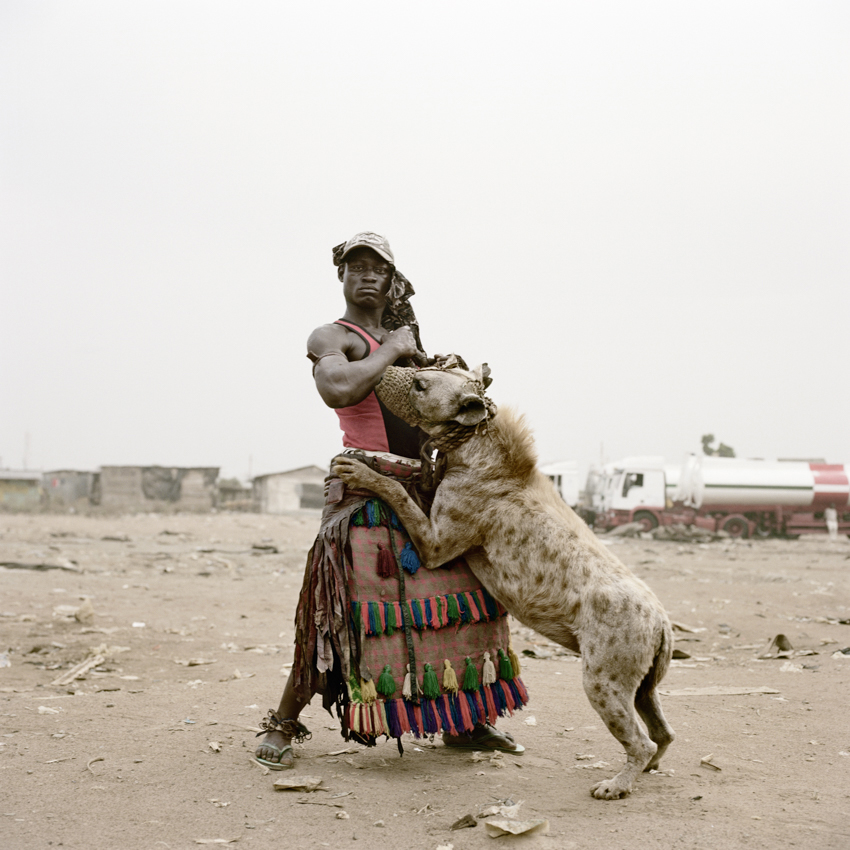
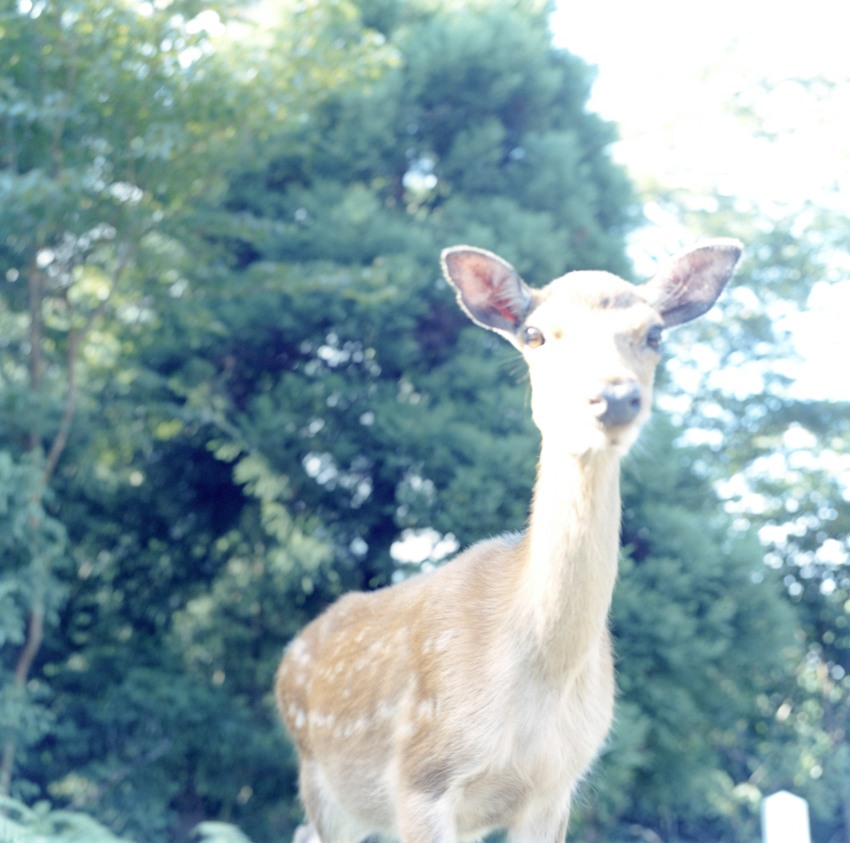
Jonathas de Andrade (1982), Ottomar Anschütz (1846–1907), Hippolyte Arnoux (1832–1894), Jane Evelyn Atwood (1947), François Aubert (1829–1906), Winnie Au (1981), Jacob Aue Sobol (1976), Richard Avedon (1923–2004), David Bailey (1938), Édouard Baldus (1813–1889), Roger Ballen (1950), Samantha Bass (1990), George Bashford (1858–1899), William Sykes Baverstock (1893–1975), Peter Beard (1938–2020), Valérie Belin (1964), Edmond Bénard (1838–1907), Auguste Bertsch (1813–1871), Richard Billingham (1970), Viktoria Binschtok (1972), Werner Bischof (1916–1954), Louis-Auguste Bisson (1814–1876), Blommers & Schumm (1969), Marta Bogdańska (1978), Ursula Böhmer (1965), Atelier Boissonnas, Xavi Bou (1979), Myriam Boulos (1992), Zana Briski (1966), Nolwenn Brod (1985), Balthasar Burkhard (1944–2010), René Burri (1933–2014), Alfred Cailliez (1834–1878), Sophie Calle (1953), Henri Cartier‑Bresson (1908–2004), Roger Catherineau (1925–1962), David Chancellor (1961), Walter Chandoha (1920–2019), Julien Chavaillaz (1985), Céline Clanet (1977), Lucien Clergue (1934–2014), Christian Coigny (1946), Walter Augustus Coldwell (1864–1929), Maisie Cousins (1992), Mario Cravo Neto (1947–2009), Louis Jacques Mandé Daguerre (1787–1851), Lia Darjes (1984), Jack Davison (1990), Juan de Borbón (1822–1887), Gaston de Jongh (1888–1973), Charles Delius (1877–1962), Raymond Depardon (1942), Théodule Devéria (1831–1871), Jean Dieuzaide (1921–2003), John Divola (1949), Robert Doisneau (1912–1994), Jean‑Marie Donat (1962), Louis-Jules Duboscq‑Soleil (1817–1886), Louis Ducos du Hauron (1837–1920), Josef Maria Eder (1855–1944) and Eduard Valenta (1857–1937), James Elliott (1832–1900), Elliott Erwitt (1928–2023), Roger Fenton (1819–1869), Joan Fontcuberta (1955) and Pere Formiguera (1952–2013), Randal Ford (1971), William Henry Fox Talbot (1800–1877), Rosalind Fox Solomon (1930–2025), Leonard Freed (1929–2006), Masahisa Fukase (1934–2012), Flor Garduño (1957), Matthieu Gafsou (1981), Paul Géniaux (1873–1929), Weronika Gęsicka (1984), Stephen Gill (1971), Burt Glinn (1925–2008), Anne Golaz (1983), Jean‑Paul Goude (1938), Vincent Gouriou (1974), Harry Gruyaert (1941), Andreas Gursky (1955), Philippe Halsman (1906–1979), Jon Hanford (1985), Ren Hang (1987–2017), Albert Harlingue (1879–1964), Mishka Henner (1976), Laura Henno (1976), Todd Hido (1968), Hiro (1930–2021), Candida Höfer (1944), Willoughby Wallace Hooper (1837–1912), Roni Horn (1955), Kati Horna (1912–2000), Pieter Hugo (1976), Kurt Hutton (1893–1960), Jean‑Baptiste Huynh (1966), Marcel Imsand (1929–2017), Izis (1911–1980), Monique Jacot (1934–2024), Leila Jeffreys (1972), Nancy Lee Katz (1947–2018), Rinko Kawauchi (1972), Alexander Keighley (1861–1947), André Kertész (1894–1985), Pouria Khojastehpay (1993), Karen Knorr (1954), Simona Kossak (1943–2007) and Lech Wilczek (1930–2018), Juul Kraijer (1970), Laurence Kubski (1986), Louis Kunz (1832–1900), Ergy Landau (1896–1967), Mårten Lange (1984), Jacques‑Henri Lartigue (1894–1986), Daesung Lee (1975), Jochen Lempert (1958), Feng Li (1971), Herbert List (1903–1975), Zhiyue Liu (2001), Sheng‑Wen Lo (1987), Robin Lopvet (1990), Ella Maillart (1903–1997), Étienne-Jules Marey (1830–1904), Yamamoto Masao (1957), Ramón Masats (1931–2024), Eva and Franco Mattes (1976), Rafał Milach (1978), Désiré-François Millet (1828–1875), Yoshinori Mizutani (1987), Guido Mocafico (1962), James Mollison (1973), Sarah Moon (1941), Jean Moral (1906–1999), Inge Morath (1923–2002), Daido Moriyama (1938), Tshepiso Moropa (1995), Richard Mosse (1980), Vincent Munier (1976), Eadweard Muybridge (1830–1904), Jim Naughten (1969), Helmut Newton (1920–2004), Jean Painlevé (1902–1989), Trent Parke (1971), Martin Parr (1952–2025), Roger Parry (1905–1977), Edouard Payot (1874–1956), Géza Perneczky (1936), Regine Petersen (1976), John Phillips (1914–1996), Joanna Piotrowska (1985) & Formafantasma, Harry Pointer (1822–1889), Jo Ractliffe (1961), Augustin Rebetez (1986), Albert Renger‑Patzsch (1897–1966), Giles Revell (1965), Pierre‑Ambroise Richebourg (1810–1875), Louis‑Pierre Rousseau (1811–1874), Sebastião Salgado (1944–2025), Robin Schwartz (1957), George Shiras (1859–1942), Lee Shulman (1973) – The Anonymous Project, Taryn Simon (1975), SMITH (1985), Sage Sohier (1954), Emmanuel Sougez (1889–1972), Edward Steichen (1879–1973), Christer Strömholm (1918–2002), Hiroshi Sugimoto (1948), Francesca Todde (1981), Adrien Tournachon (1825–1903), Penelope Umbrico (1957), Auguste Vacquerie (1819–1895), Ruth Van Beek (1977), Alberto Vieceli (1965), Todd Webb (1905–2000), Weegee (1899–1968), William Wegman (1943), Sabine Weiss (1924–2021), Wols (1913–1951), Wanda Wulz (1903–1984), Ylla (1911–1955), Vasantha Yogananthan (1985), Émile Zola (1840–1902).
Animal model
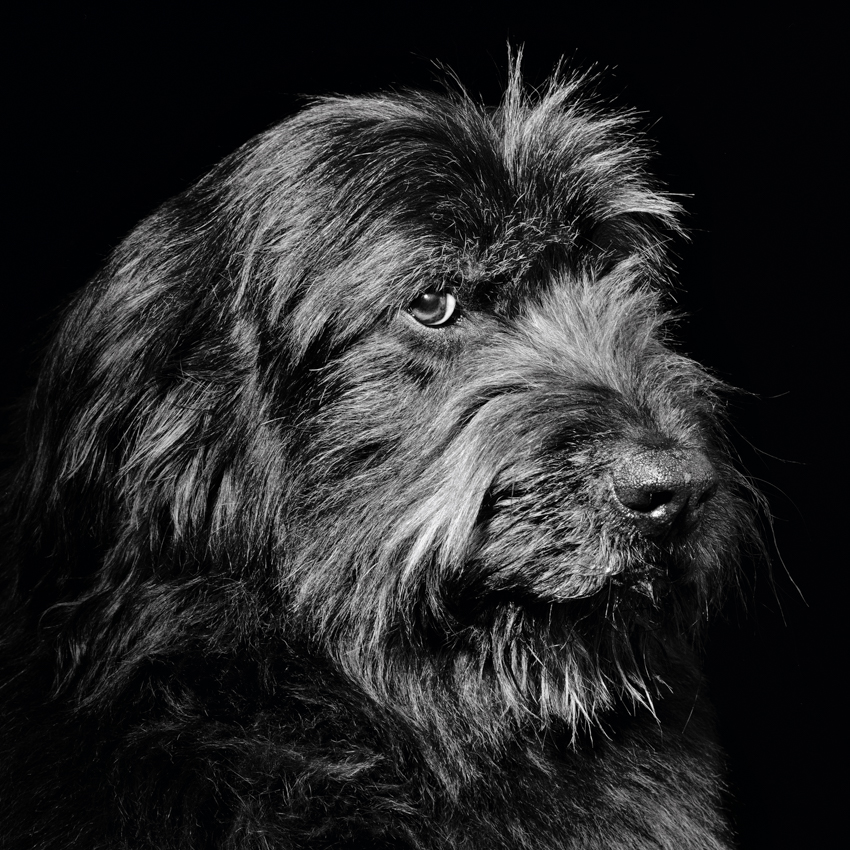
Companion, subject of study, symbol, mirror, or fantasy: the animal has never left the field of photographers since the medium's invention. Animal Model dives into two centuries of images to reveal how photography has shaped our view of animals — and profoundly influenced the way we love, exploit, or defend them.
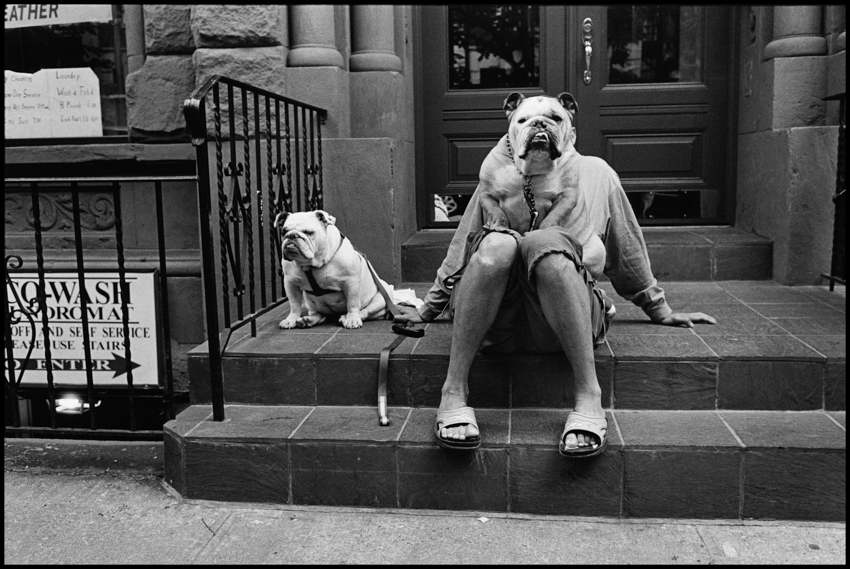
From Auguste Bertsch's 19th-century micro-photographs to the snapshots of Martin Parr and Elliott Erwitt revealing the complicity between humans and animals, from Peter Beard's collages blending personal narrative and ecological concerns to Rinko Kawauchi's delicate observations, from Simona Kossak's quest for harmony to William Wegman's staged scenes: the exhibition traverses the work of the great photographers who have shaped our sensitivity toward living creatures. It also embraces the most inventive contemporary approaches — from the strange creatures of Augustin Rebetez and Robin Lopvet to the poetic worlds of Vasantha Yogananthan, as well as the bold experiments circulating on social media.
By highlighting the animal's massive presence in the collective imagination, Animal Model invites us to cross boundaries: between human and animal, between gaze and image — and perhaps between what we see and what we choose to see.
Index
Exhibition
Blending major works and anonymous images, the exhibition follows a thematic path structured around seven gazes — anatomical, performative, affective, fascinated, ethical, plastic, and finally viral — inviting us to rethink, through 200 years of photography, the complex and sensitive relationships we hold with living beings.
With the invention of photography, the medium replaces scientific drawing. Heir to natural history, the anatomical gaze turns the image into a tool that documents, isolates, compares, and dissects to render the living legible. Micro-photographs, chronophotographs, X-rays: the animal is literally placed under the magnifying glass. Enlargement and attention to detail reveal beauty, but also the strangeness of animal forms — reminding us that what we see always depends on what we have chosen to look at.
Circus, menagerie, zoo, or studio: the animal is presented, exhibited, trained, orchestrated. Photography records the postures, feats, and skills instilled through training — revealing as much about the society staging the spectacle as about the animal being displayed. Between fascination and unease, these images question what we demand of our animals and what that says about us: our pleasures, our projections, our sense of superiority.
The performative gaze neither accuses nor excuses — it holds in tension the intent of the spectacle and the otherness of the animal.
Here, the animal cohabits: a member of the household, a companion, a confidant. The images show daily rituals, the gentleness of animal presence, the closeness that develops. From 1950s Kodachrome slides to Elliott Erwitt's street portraits, these photographs bear witness to a relationship in which the animal
is omnipresent — in our homes, our cities, our memories. We see ourselves in it, recognize ourselves, sometimes find comfort in it.
Friendship, loyalty, mimicry: the affective gaze says, simply and powerfully, what we hold dear to preserve.
Wild lands, distant horizons: the wildlife photographer waits, observes, watches — often in extreme conditions — for a world that seems far removed from our own.
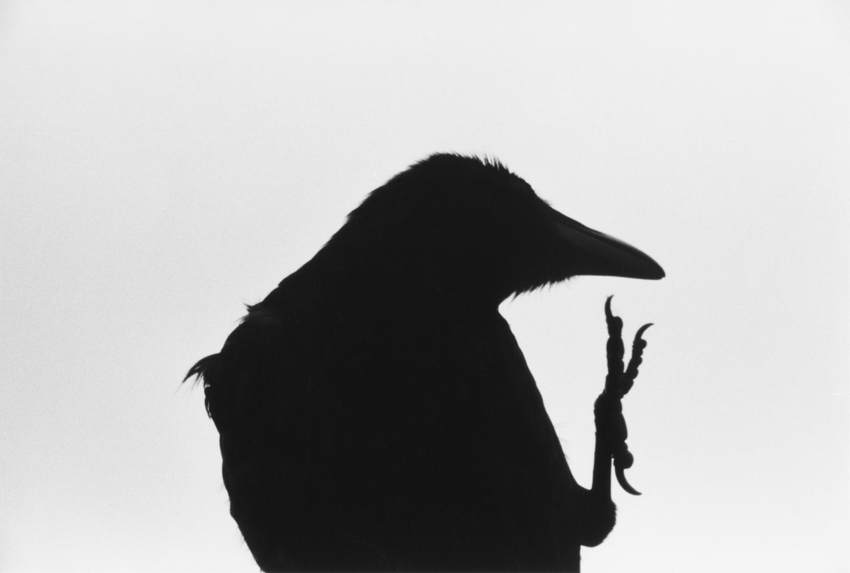
Born among 19th-century naturalists, this type of photography unfolds today within a heightened awareness of ecosystem preservation. Fascination is its driving force: fauna, colors, and light captivate the eye, and the moment of wonder is captured. From the vast, magnified vision of Sebastião Salgado to the snowy, silent landscapes of Vincent Munier, from animals revealed at night by George Shiras — a pioneer of "wildlife photography" — to the unsettling ravens of Masahisa Fukase, each image conveys the intensity of an encounter. For an instant, the boundary between viewer and viewed dissolves into enchantment.
Intensive farming, captivity, slaughter, experimentation, extinction: the image acts as evidence. It warns, documents, sometimes accuses. Born from the animal-welfare movements that emerged in the late 1960s, photography becomes a tool of investigation and a vector of alarm — from slaughterhouses to laboratories, from sites of captivity to trafficking networks. In the age of the Anthropocene, the gaze sharpens, and so does the responsibility of the image: how far should one show, to awaken conscience without instrumentalizing suffering? Alongside accusation, other gestures emerge — repairing, caring, bearing witness to fairer forms of coexistence.
Montage, staging, fiction, hybridization: here, the animal becomes a partner in invention.
The plastic gaze no longer seeks to represent, but to explore what the image can create with the living — to create, transform, replay. From Wanda Wulz's 1932 superimposition merging her face with that of a cat, to Karen Knorr's photographic fables in which the animal rewrites the stories of the places it inhabits,
to Vasantha Yogananthan's sacred figures, these works blur the line between the real and the imaginary, between representation and invention.
Since its origins, the internet has hosted a bestiary made up of as many real species as imaginary ones. In the age of recommendation algorithms, the animal captures attention, generates clicks, and drives trends. Endearing, fascinating, "cute" in the sense given by ethologist Konrad Lorenz — whose baby schema theory explains our sensitivity to juvenile traits — the viral animal concentrates and amplifies behaviors as old as photography itself. The internet did not invent our obsession with animal images: it simply made it visible on a global scale.

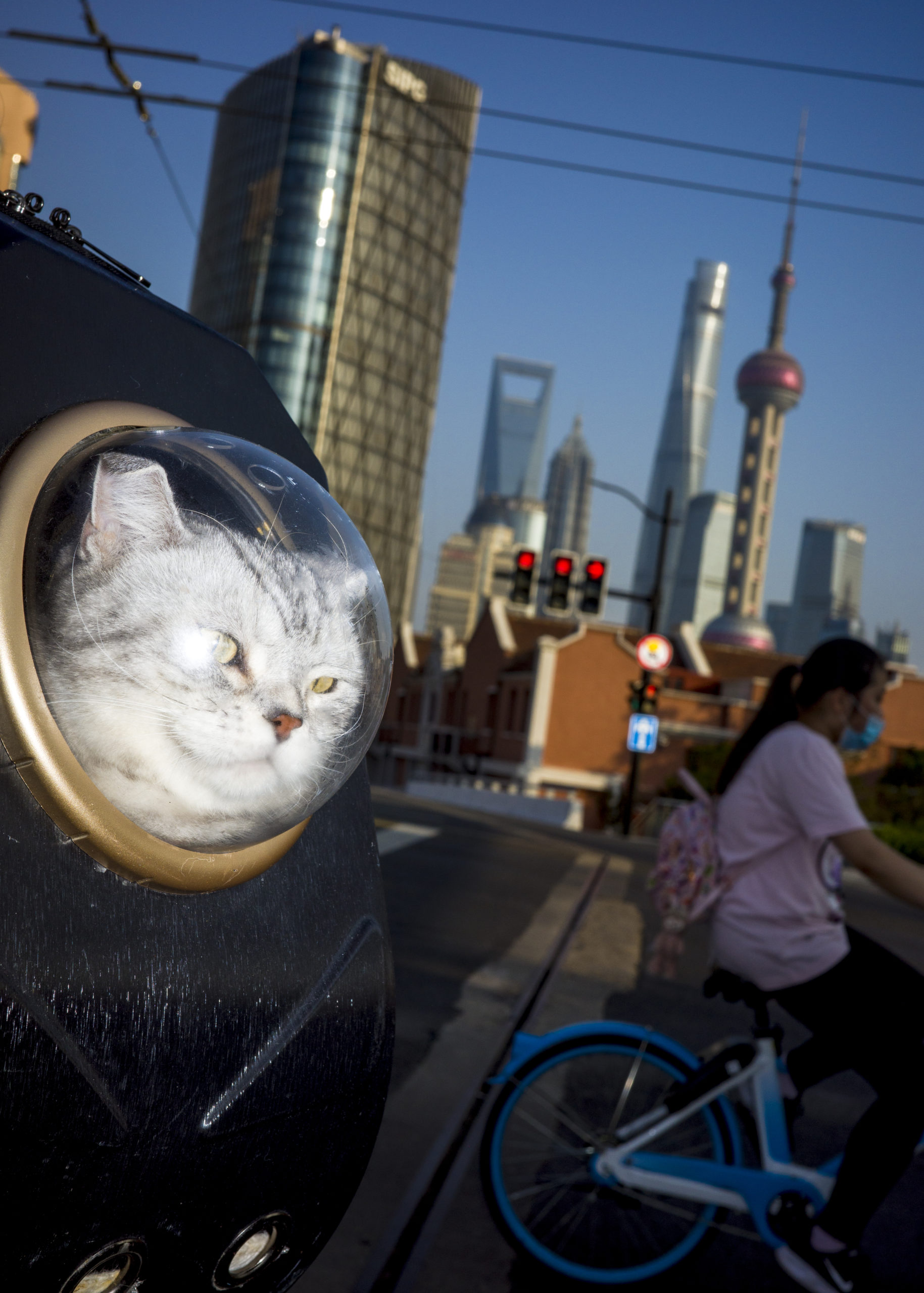
Your animal at the museum
Credits
Animal Model — 200 Years of Photography
Curatorship
Nathalie Herschdorfer
Scientific advisor
Vincent Lavoie
Curatorial committee
Fanny Brülhart
Cécile Nédélec
Manuel Sigrist
Sarah Bourget
Emma Hennegrave
The exhibition is accompanied by the publication Modèle animal. 200 ans de photographie, published by Éditions Textuel.
With contributions by Emanuele Coccia, Nathalie Herschdorfer, Vincent Lavoie and Manuel Sigrist
Partners
This exhibition is co-produced with Rencontres d’Arles.