

Lehnert & Landrock

Revisiting A Colonial Archive
31.10.2025 – 01.02.2026

No online reservation required

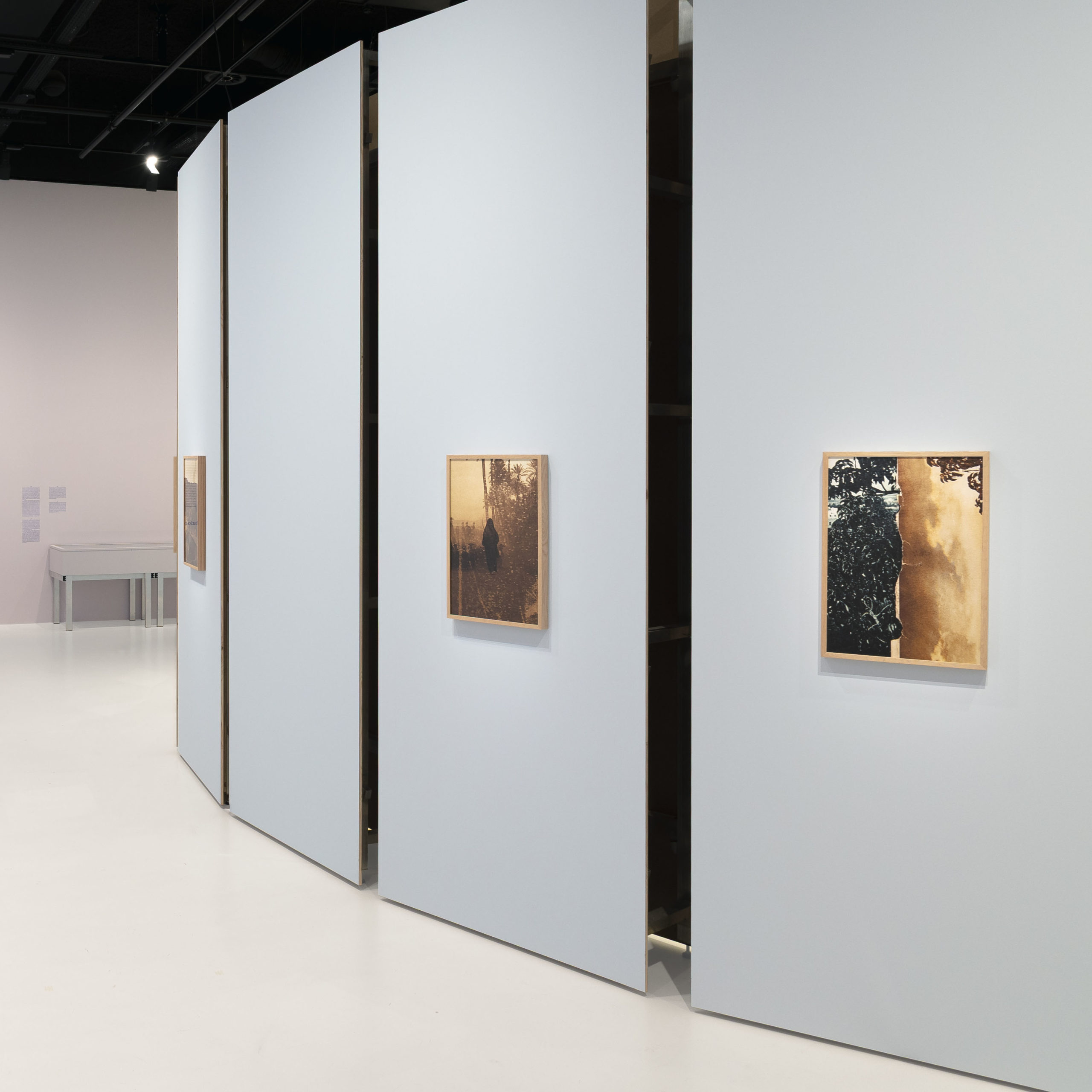
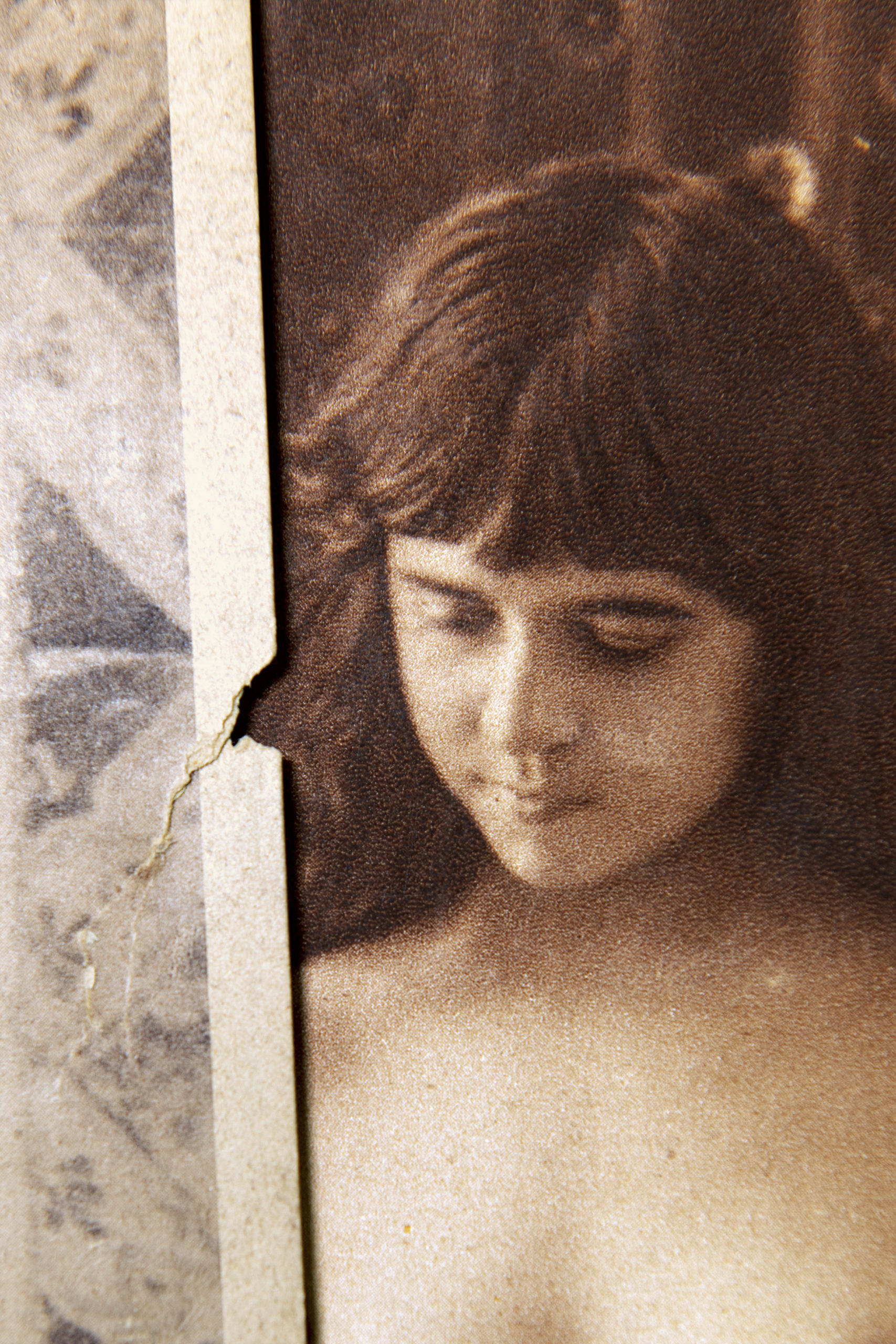
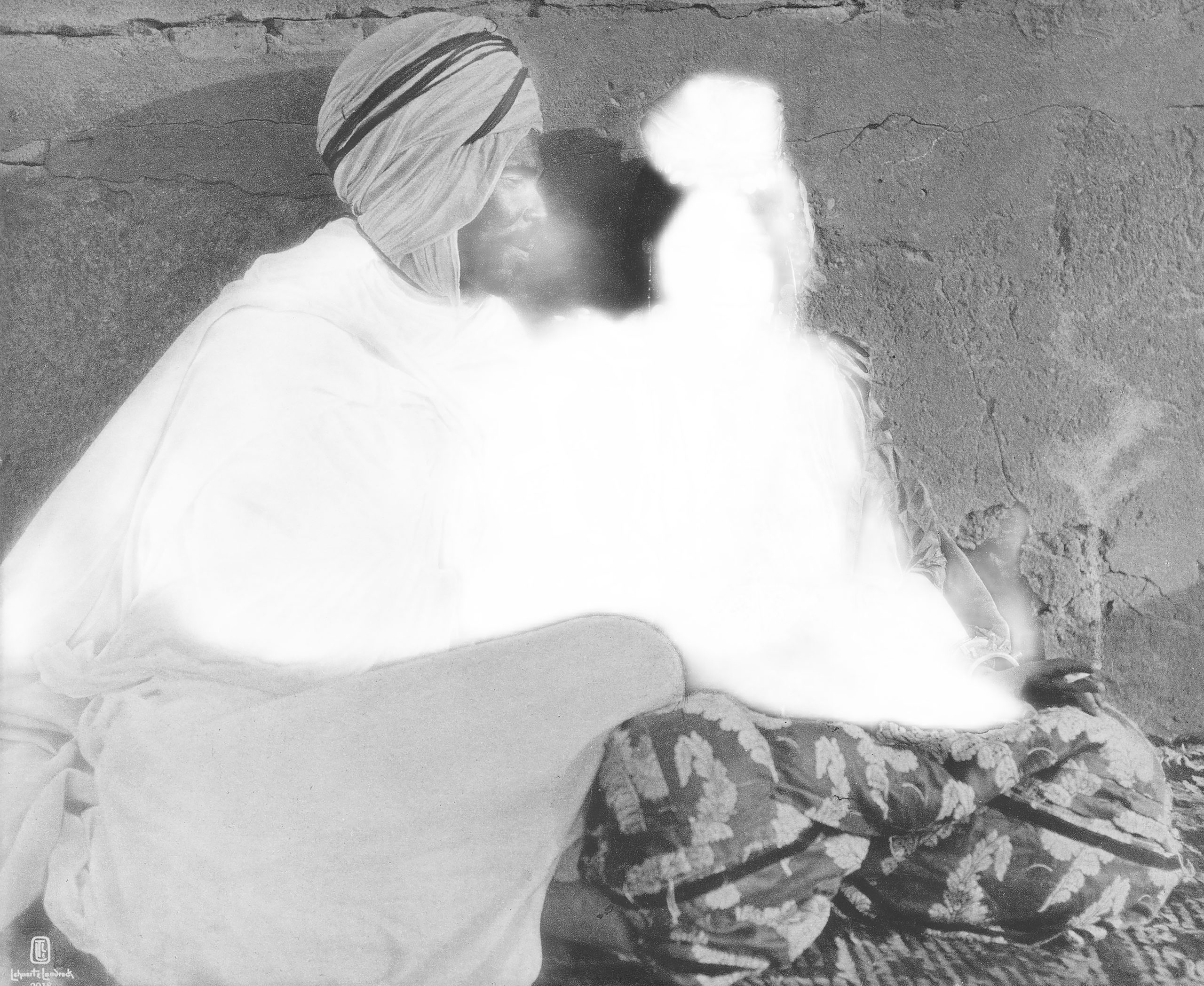
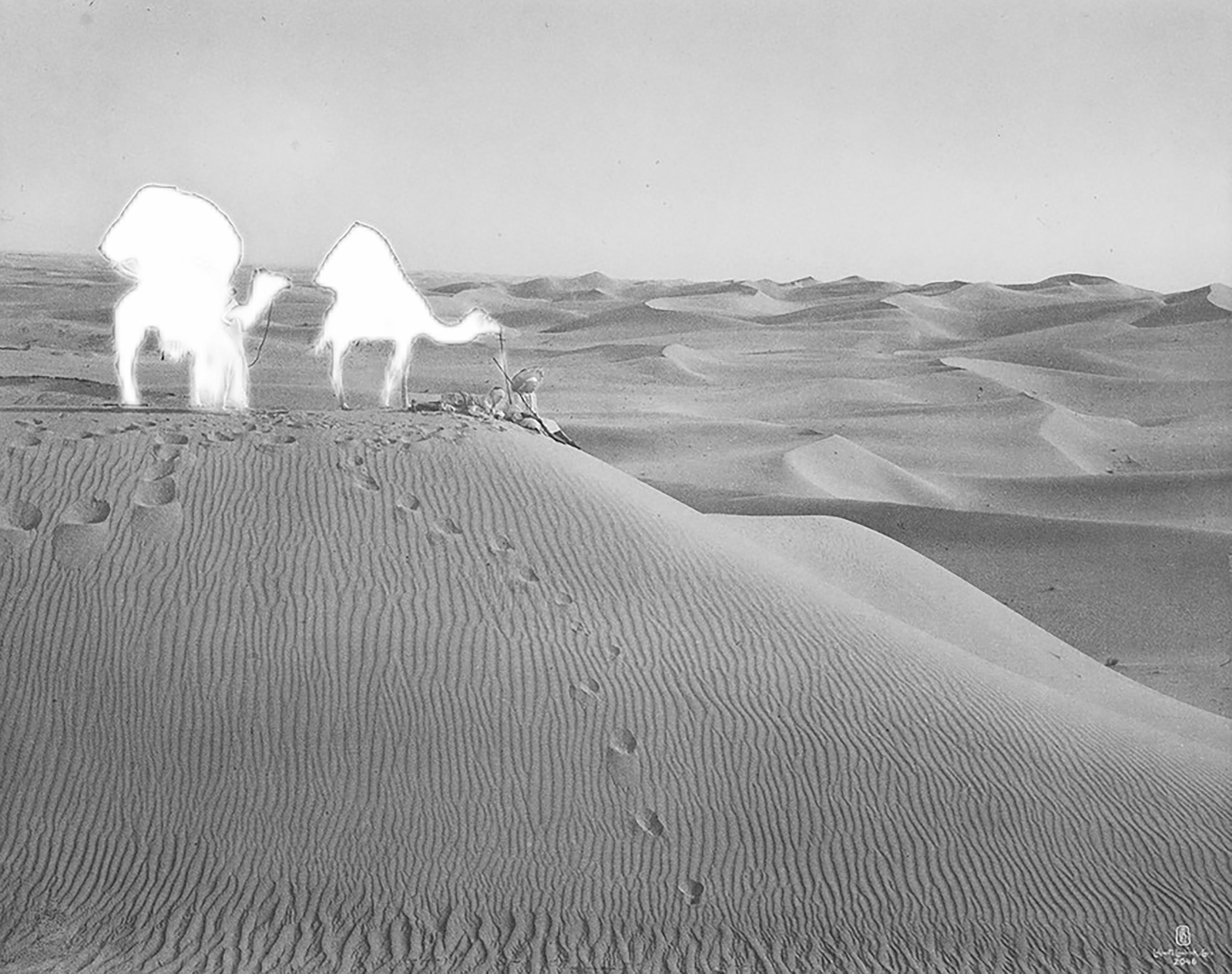
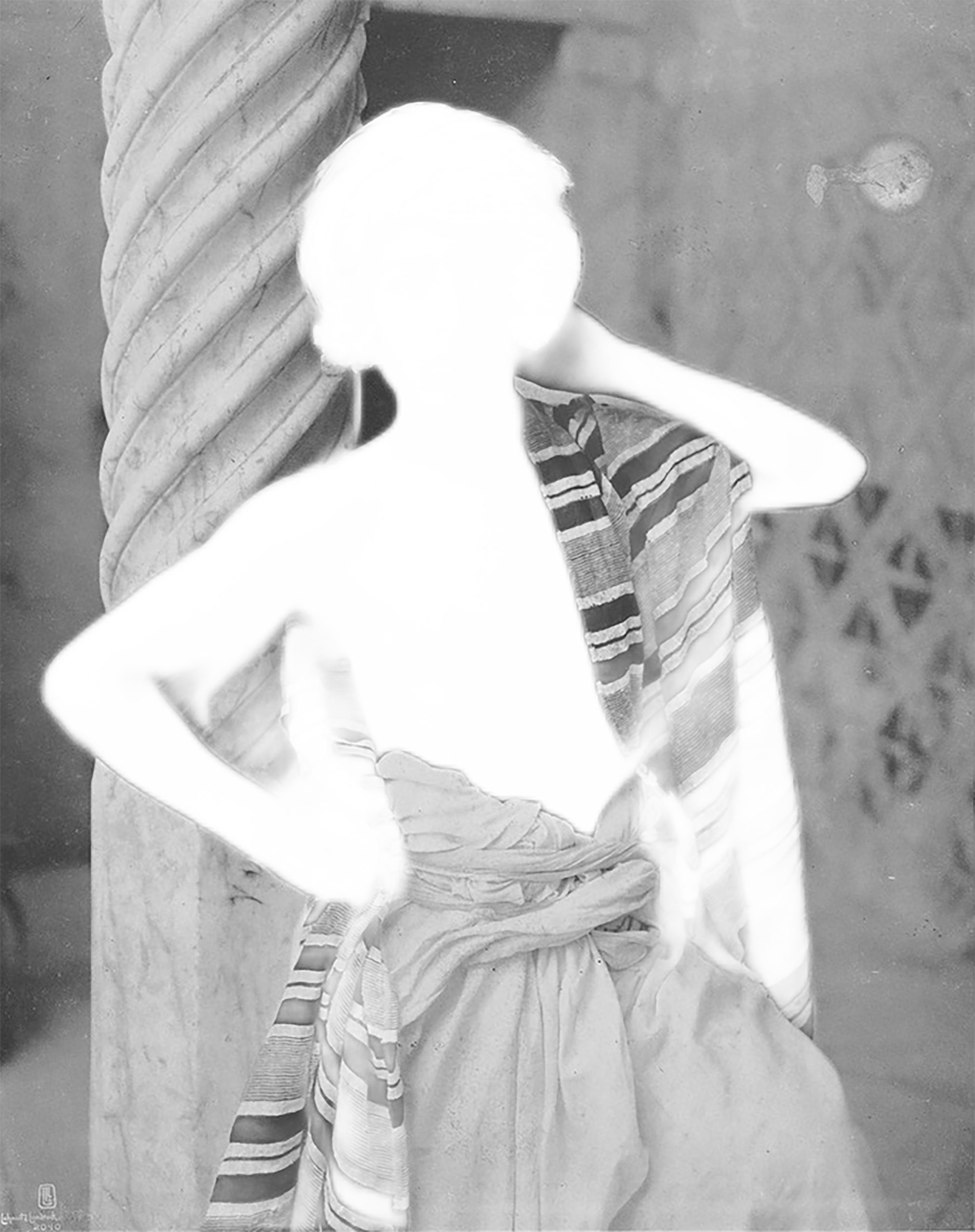
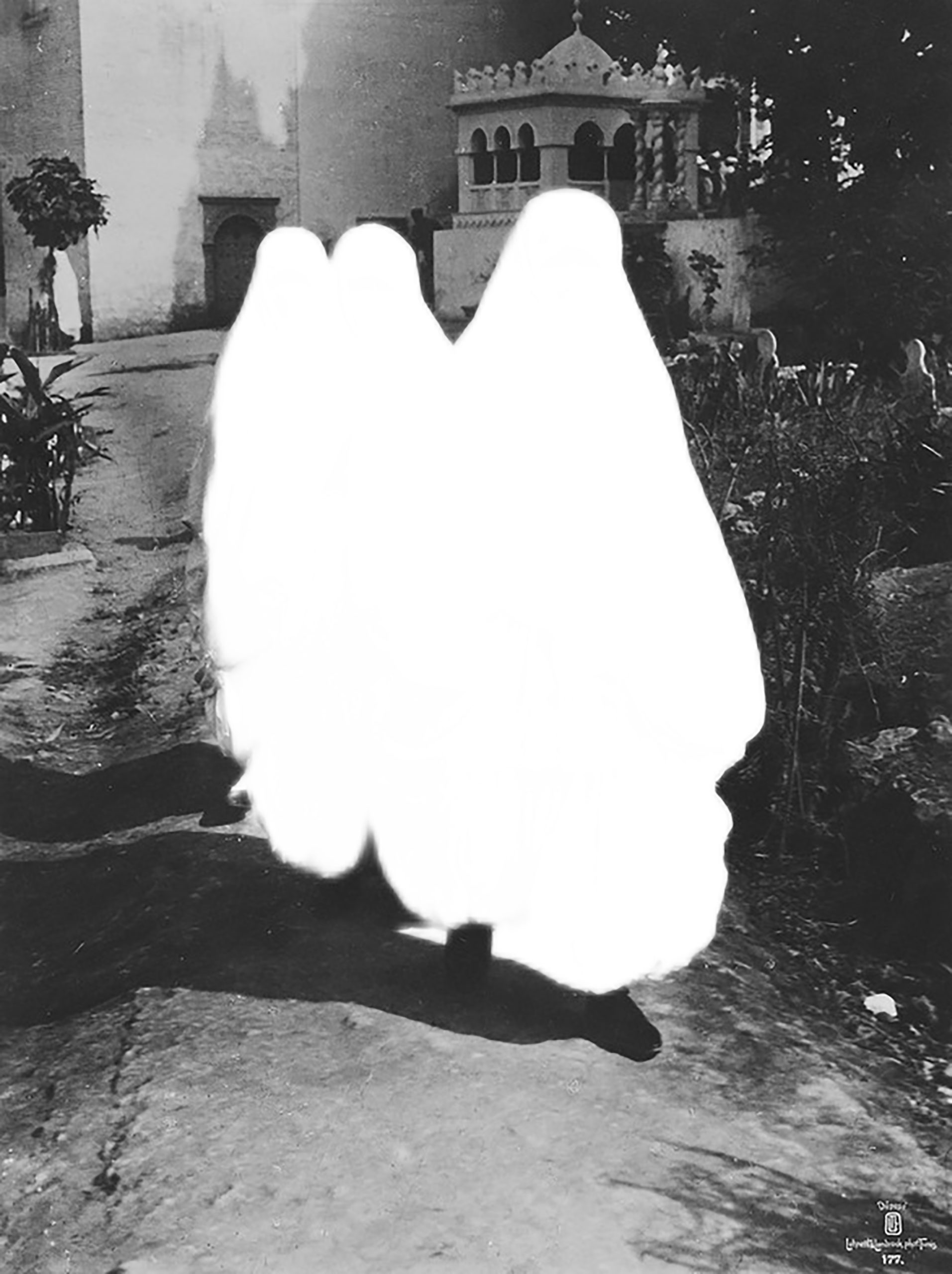
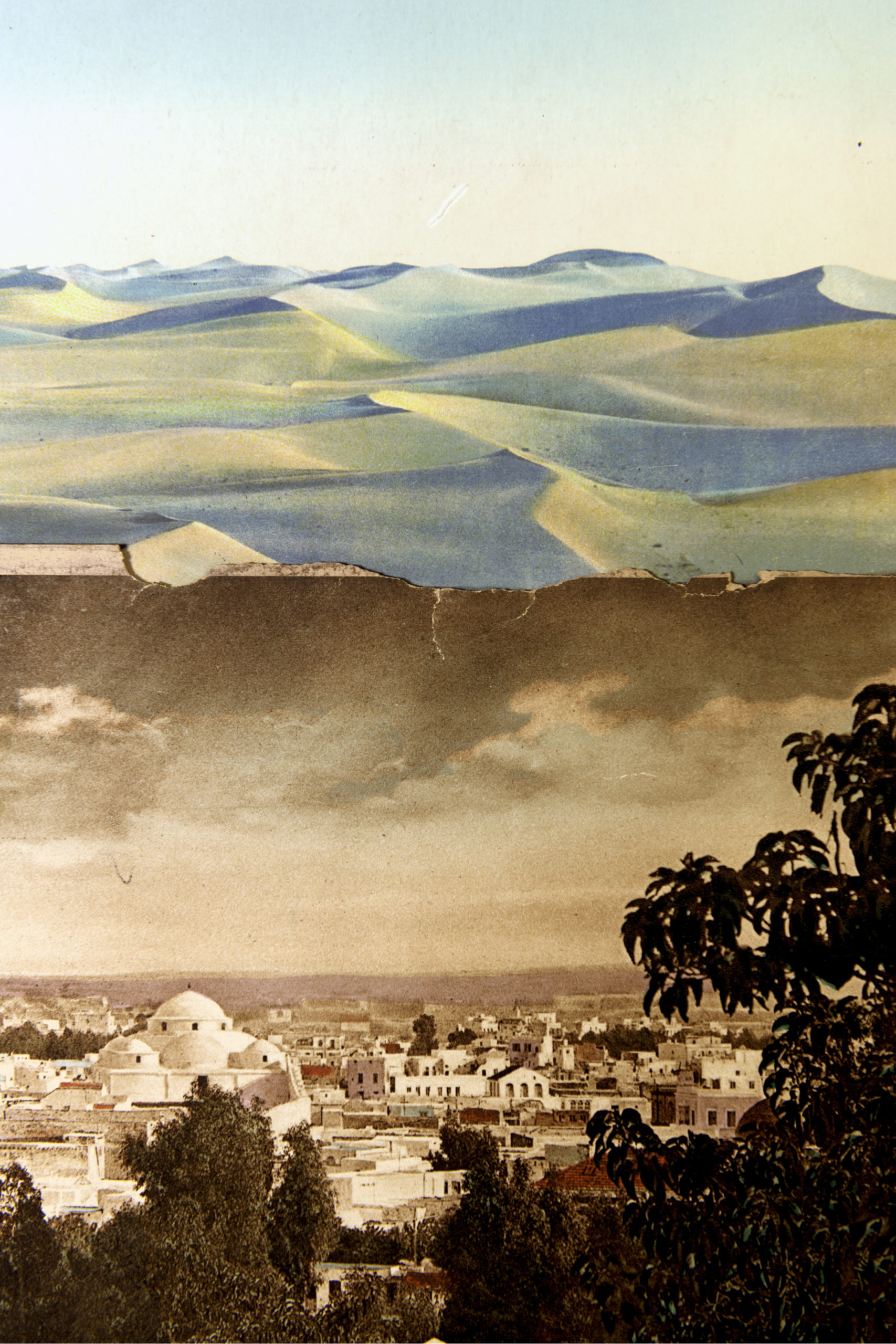
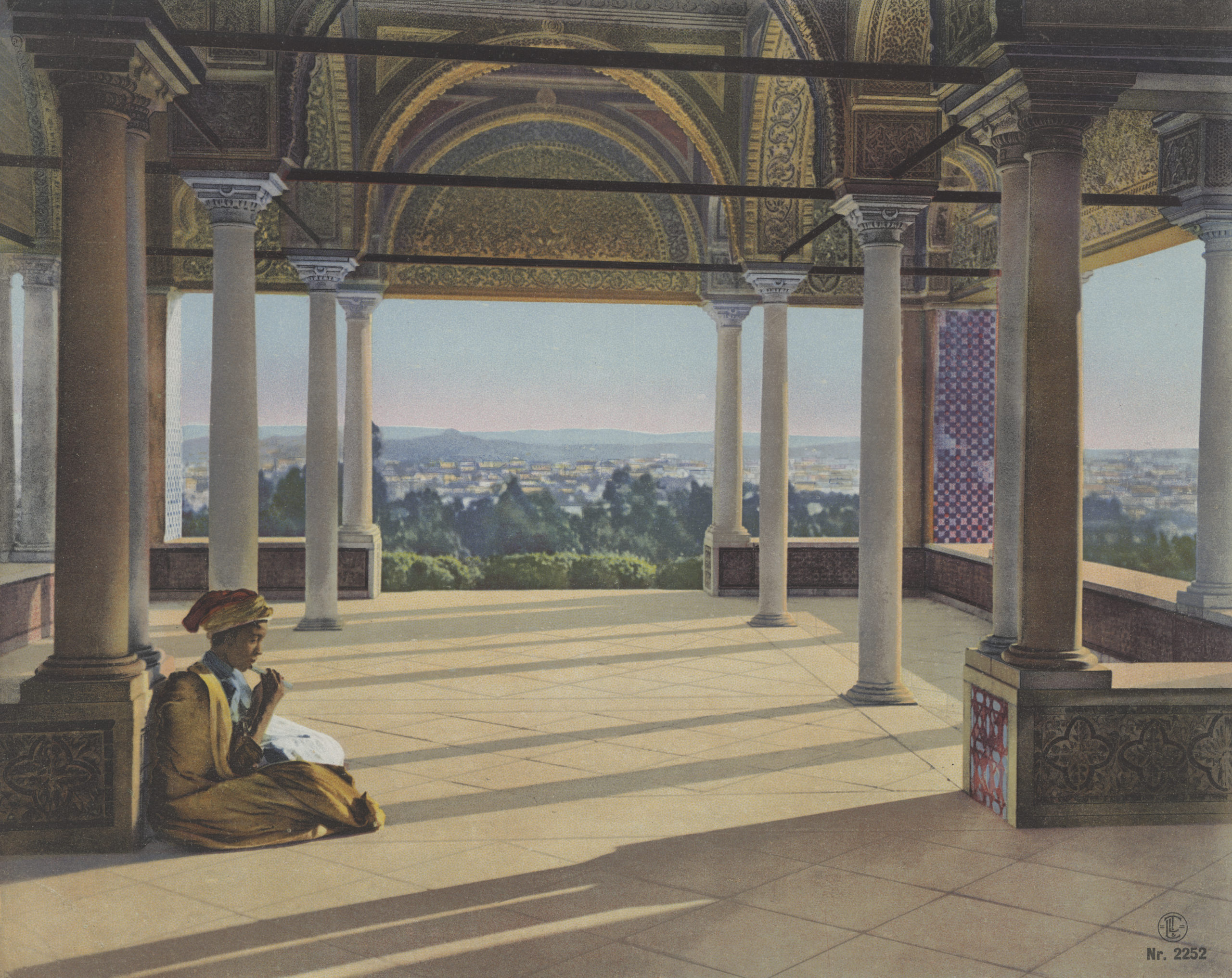
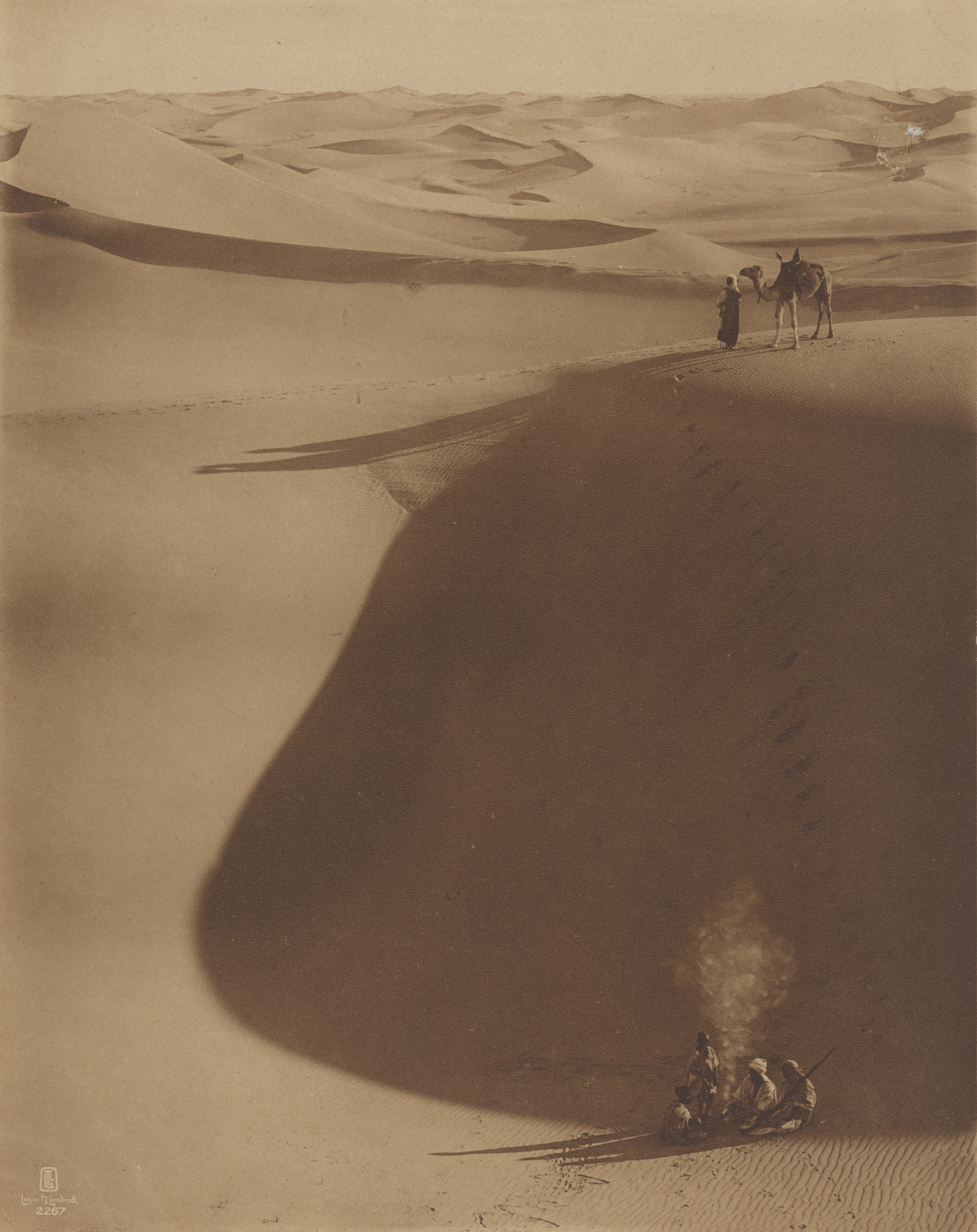
Photo Elysée offers a critical reinterpretation of the photographic archives of the Lehnert & Landrock studio, which have been part of the museum's collection since 1985. Active in North Africa in the early 20th century, Rudolf Franz Lehnert (1878–1948) and Ernst Heinrich Landrock (1878–1966) constructed and disseminated an iconography of the Orient intended for a European audience, deeply marked by the colonial context of their time.

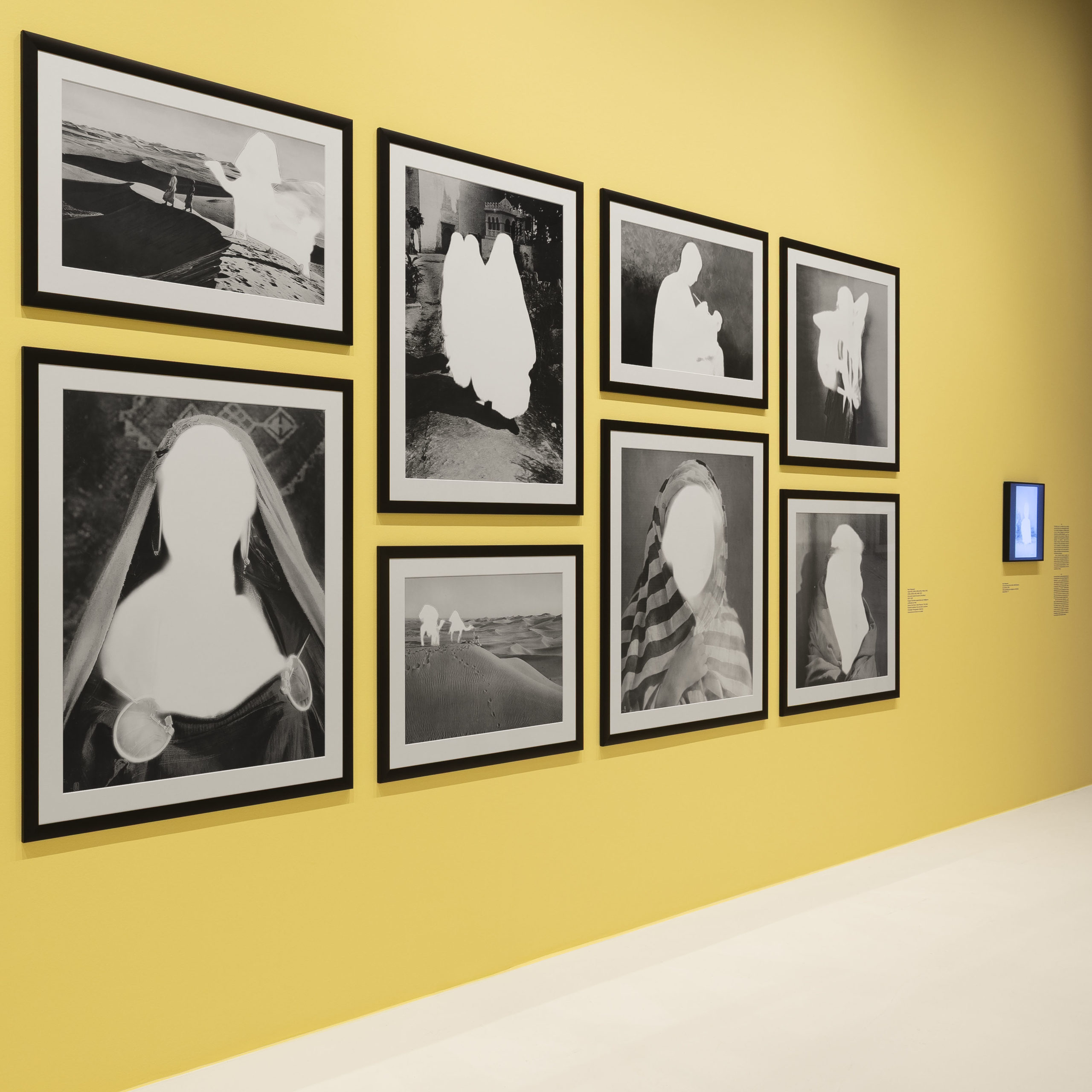
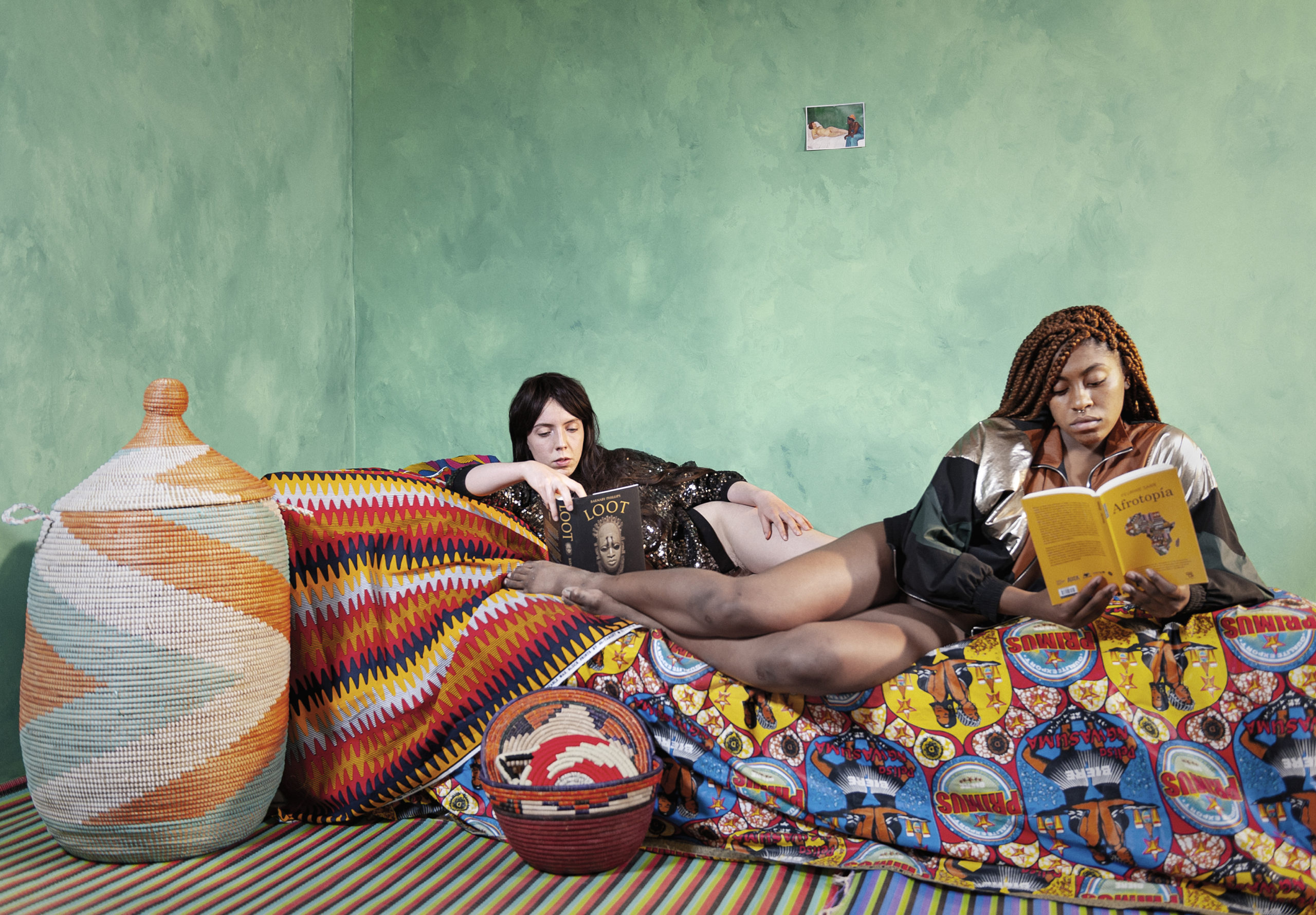
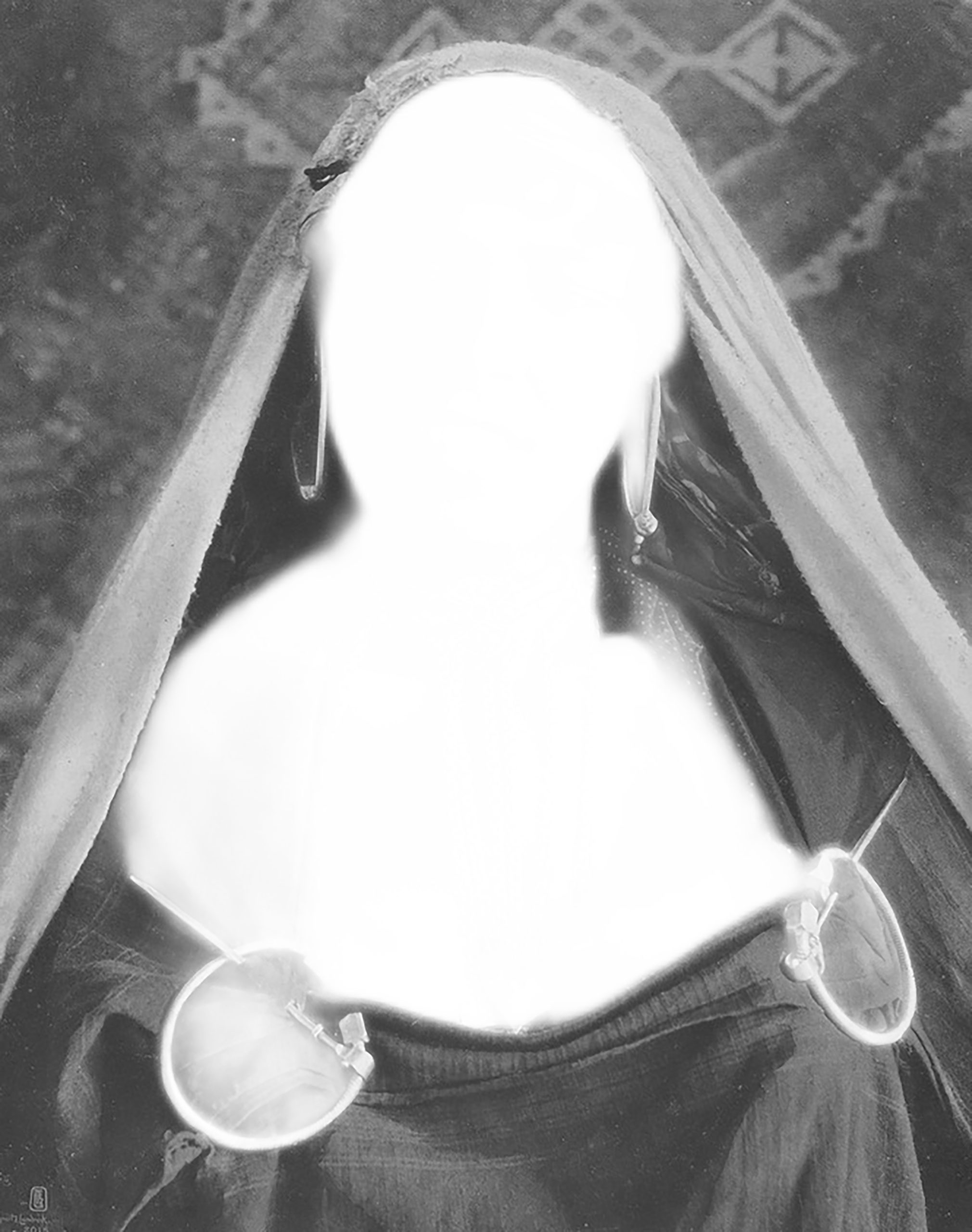
The original archives are exhibited alongside contemporary works by Nouf Aljowaysir and Gloria Oyarzabal, which explore the history and legacy of colonial representations.

Exhibition

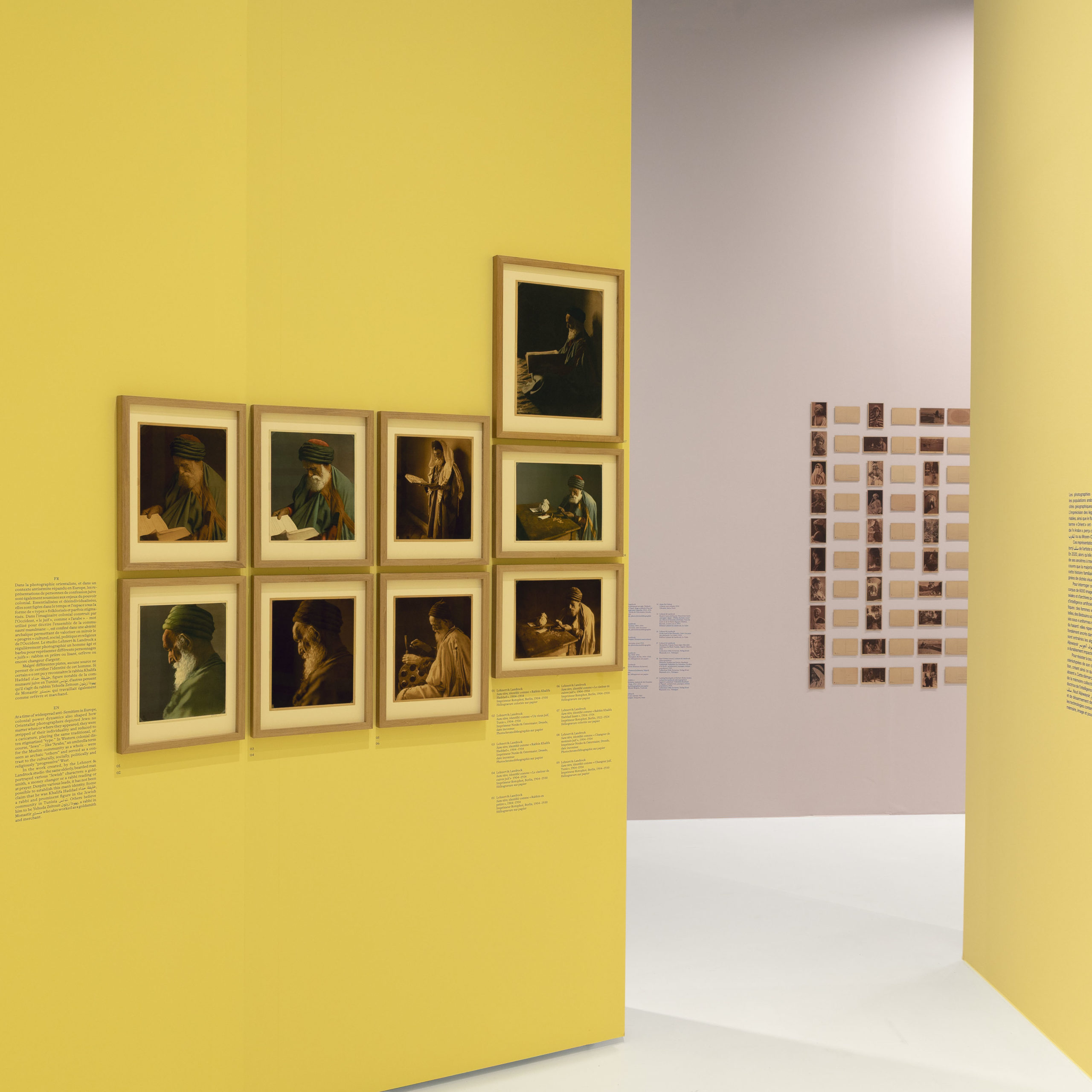
In 1985, the museum added the archives of the Lehnert & Landrock photography studio to its collection. Founded by Rudolf Franz Lehnert (1878-1948) and Ernst Heinrich Landrock (1878-1966), the studio was active in Tunis from 1904 to 1914, then in Cairo from 1924 onwards. It specialized in producing iconography of the Orient, which was widely distributed in Europe through photographs and postcards. The duo parted ways in 1930, and Landrock, then his heirs, continued to commercially exploit the images throughout the 20th century.

Today, Photo Elysée is questioning its role as a mediator of images by taking a critical and introspective look at the objects it preserves. To this end, it is presenting the original objects from the Lehnert & Landrock collection to the public for the first time. In collaboration with a research committee, the museum proposes to study the aesthetic and political dimensions of this corpus in the context of colonial enterprises.

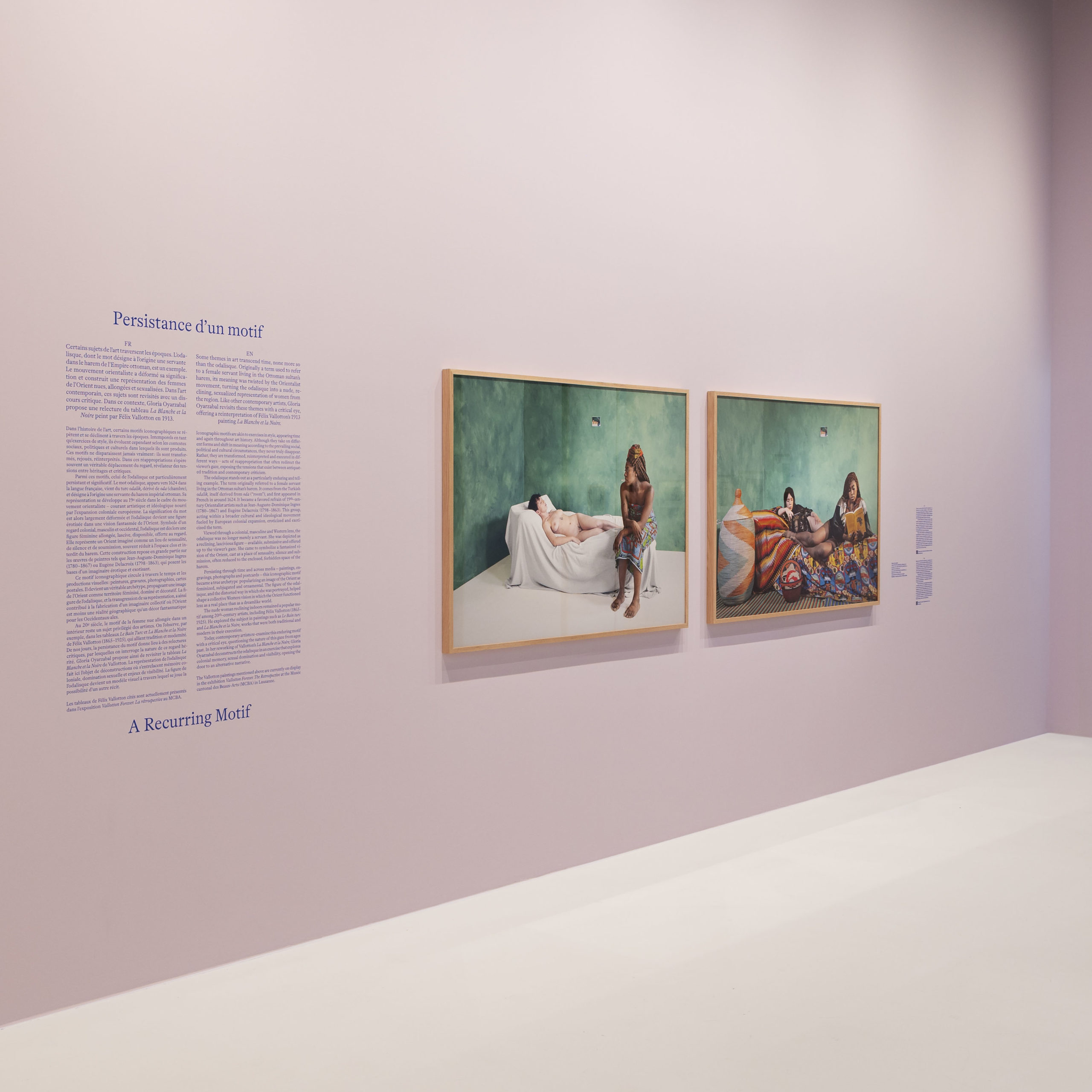
To open up the discussion to other perspectives, Photo Elysée has invited artist Gloria Oyarzabal to explore these archives. Her contemporary perspective questions the way museums today approach collections related to colonial history. Her work enters into dialogue with that of Saudi artist Nouf Aljowaysir, who is interested in how artificial intelligence prolongs and reinforces stereotypes associated with the representation of the Orient.
WARNING TEXT

The exhibition contains images that may be disturbing to some viewers.

Note to exhibition visitors

Photo Elysée has chosen to reinterpret a complex photographic collection. The content of the exhibition highlights the colonial context in North Africa in the 19th and 20th centuries and  contains racist, sexist, Arabophobic, Islamophobic, and anti-Semitic representations, as well as images of nudity. Its presentation may shock some viewers.

Lehnert & Landrock

Rudolf Lehnert and Ernst Landrock met in Switzerland in 1903. Originally from Bohemia and Saxony respectively, they shared a keen interest in the Orient, a region fantasized about and constructed by the European imagination, relayed in particular through literature, painting, fashion, and photography.

In 1904, they opened their first photography studio in Tunis, then under French protectorate. Lehnert took photographs in Tunisia, Algeria, Egypt, and Palestine, while Landrock managed the studio. Their success was largely based on the production of postcards, which were highly prized and widely distributed at the time.

The adventure was interrupted in 1914 by the First World War. In 1920, they founded the Orient Kunst Verlag company in Leipzig, then opened a new studio in Cairo in 1924, in a territory under British occupation. After their separation in 1930, Landrock continued the commercial exploitation of these images, first alone, and later together with his heirs.

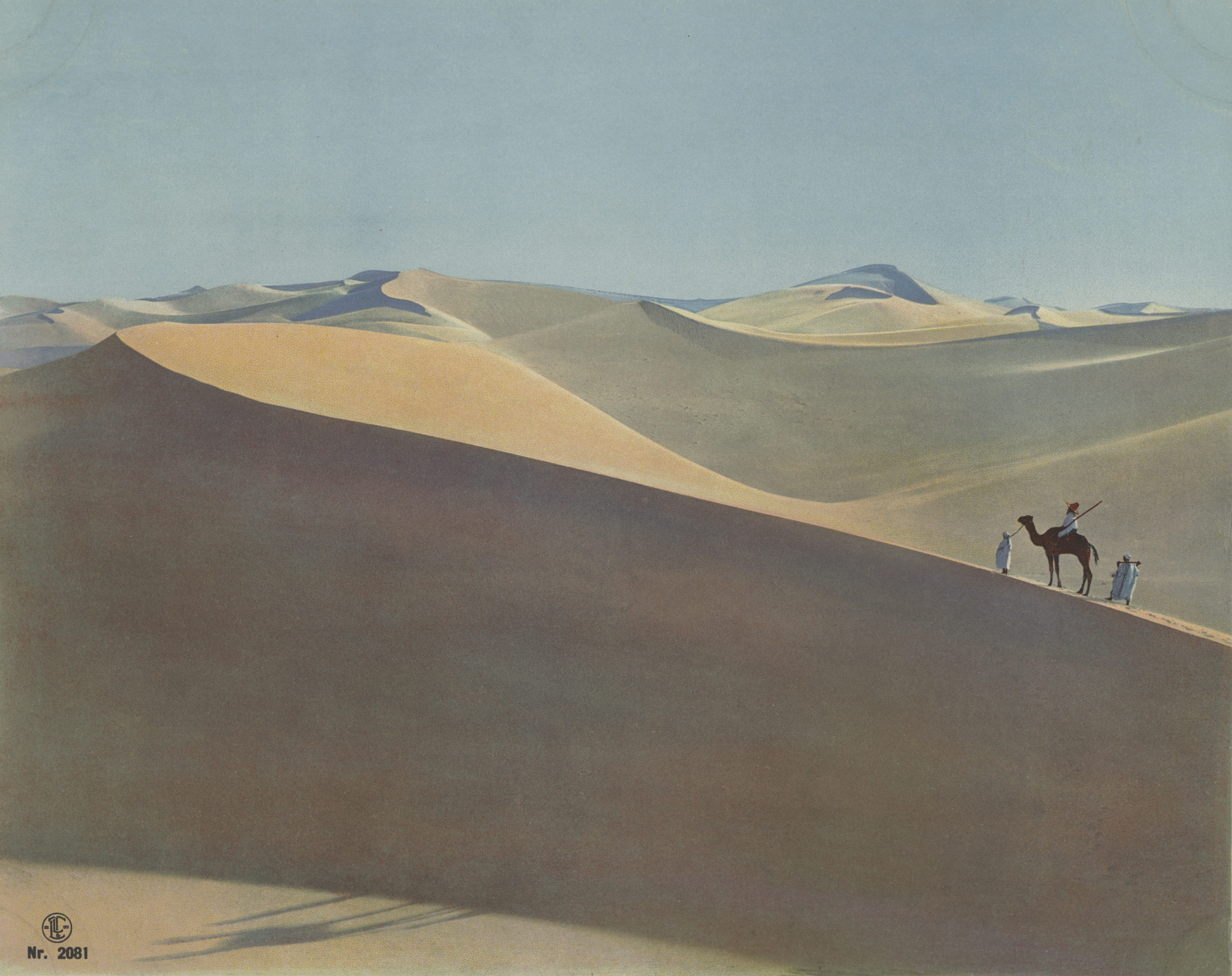
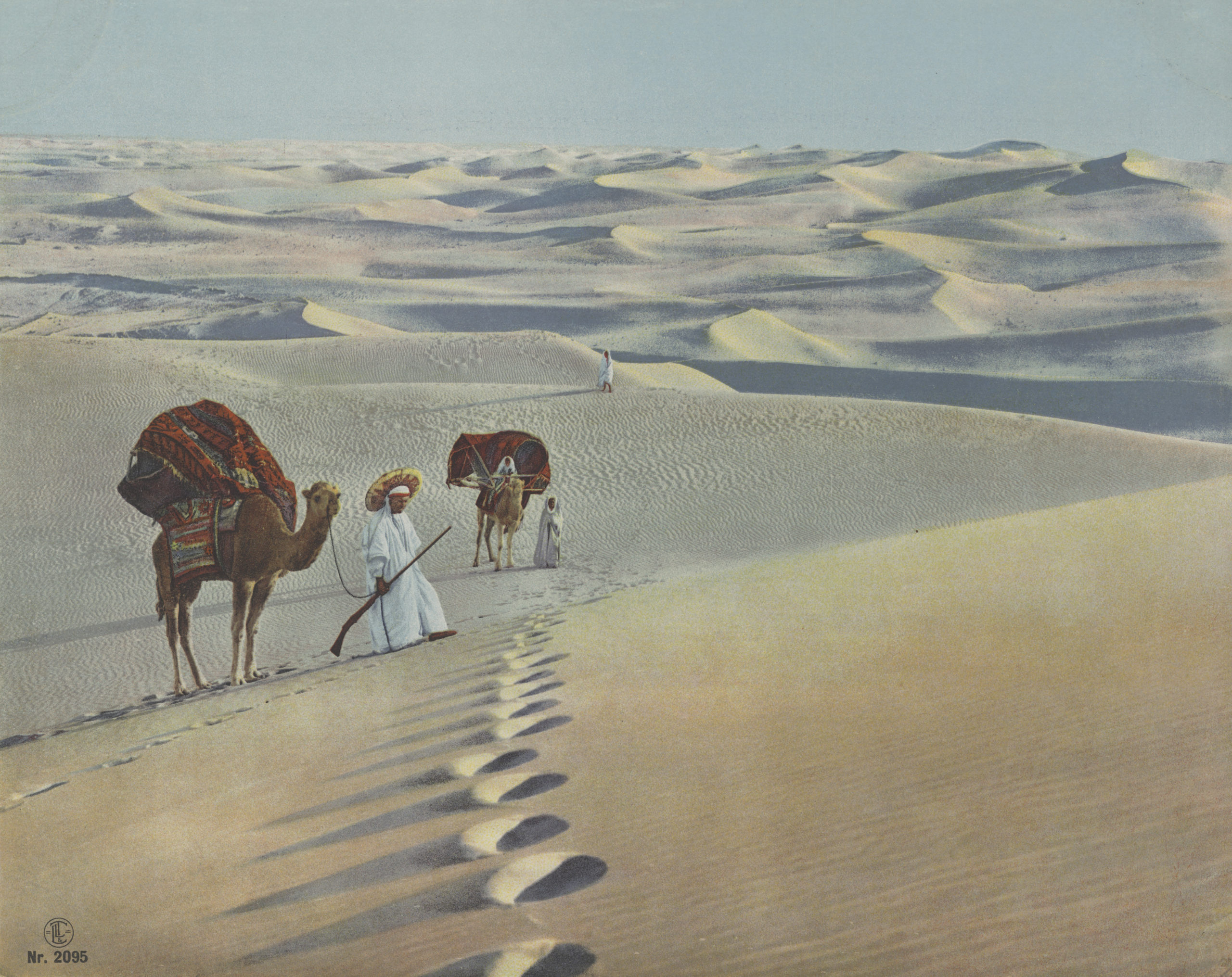
The studio produced thousands of photographs of landscapes and idealized figures, dunes, oases, harems, and odalisques, which forged a stereotypical vision of the Orient. A Lehnert & Landrock bookstore still exists in Cairo, at its original address.

In 1985, Ernst Landrock's descendants deposited the studio's archives at Photo Elysée, which is responsible for their conservation.

Gloria Oyarzabal

Artist's website

Gloria Oyarzabal Lodge (1971) is a Spanish artist. She graduated from the Faculty of Fine Arts at the Complutense University of Madrid and holds a master's degree in the creation and development of photographic projects from Blankpaper in Madrid. In 2009, she moved to Bamako for three years, where she conducted research on the construction of the idea of Africa, the dynamics of colonization/decolonization, and African feminisms. In 2017, she participated in the Ranchito Matadero residency in Nigeria and South Africa, deepening her reflection on the place of Nigerian women in contemporary society.

In 2023, she was nominated for the Prix Elysée with her series USUS FRUCTUS ABUSUS_La Blanche et la Noire, which revisits Félix Vallotton's 1913 painting by questioning the history of the representation of women's bodies in European painting.

Gloria Oyarzabal's work has been exhibited internationally, notably at Fotofestiwal in Łódź, the Lagos Photo Festival, the FORMAT Festival in Derby, Guetxofoto, the Athens Photo Festival, PhotoEspaña in Madrid, PHOTO IS:RAEL in Tel Aviv, Bitume Photofest in Lecce, Encontros da Imagem in Braga, and Odessa Photo Days.

Nouf Aljowaysir

Nouf Aljowaysir (1993) is a Saudi artist specializing in new media and based in New York. She studied computer architecture, human-machine interaction, and creative coding at Carnegie Mellon University in Pittsburgh and New York University.

In her work, she examines the evolution of our behaviors and interactions with algorithms. By asking intimate questions to artificial intelligence tools and diverting their conventional use, she reveals the logic behind their functioning and the capitalist motivations that shape their results. The artist uses her research to question her own history and reflect on how these systems influence our ways of thinking and seeing.

Nouf Aljowaysir has been an artist-in-residence at ThoughtWorks Arts and Somerset House in London. Her work has been exhibited internationally, including at the Jeu de Paume in Paris, the Centre Pompidou in Paris, the Museo Tamayo in Mexico City, M+ in Hong Kong, CPH:DOX in Copenhagen, and the Tribeca Film Festival in New York. Her film Ana Min Wein? (Where Am I From?) won the 2023 Lumen Prize in the moving image category and was broadcast by The New York Times – Op-Docs in June 2024.

Music

Discover a selection of tracks inspired by the exhibition Lehnert & Landrock. Revisiting a Colonial Archive.

Exhibition text

Reading area - Bibliography

Credits

Lehnert & Landrock. Revisiting A Colonial Archive

Curator
Fanny Brülhart
In collaboration with Julie Bonzon, Julie Dayer, and Elisa Rodriguez

Research committee
Beya Othmani, Independent Exhibition Curator, Researcher at MoMA (The Museum of Modern Art, New York)
Nadia Radwan, Associate Professor, Head of the Visual Arts Department, HEAD – Geneva (University of Art and Design, Geneva)
Christelle Taraud, Historian and feminist, Lecturer at NYU Paris (New York University, Paris) and Associate Member of the Centre d'Histoire du XIXe siècle (University of Paris I/Paris IV, Paris)

Scenography
Atelier Gut

Graphic design
Herendi Artemisio

In dialogue with the exhibition presented at Photo Elysée, MCBA presents Vallotton. Forever.

Partners

The exhibition is supported by the Rossi di Montelera Foundation, the Coromandel Foundation, and the Federal Office of Culture.

Fondation VRM