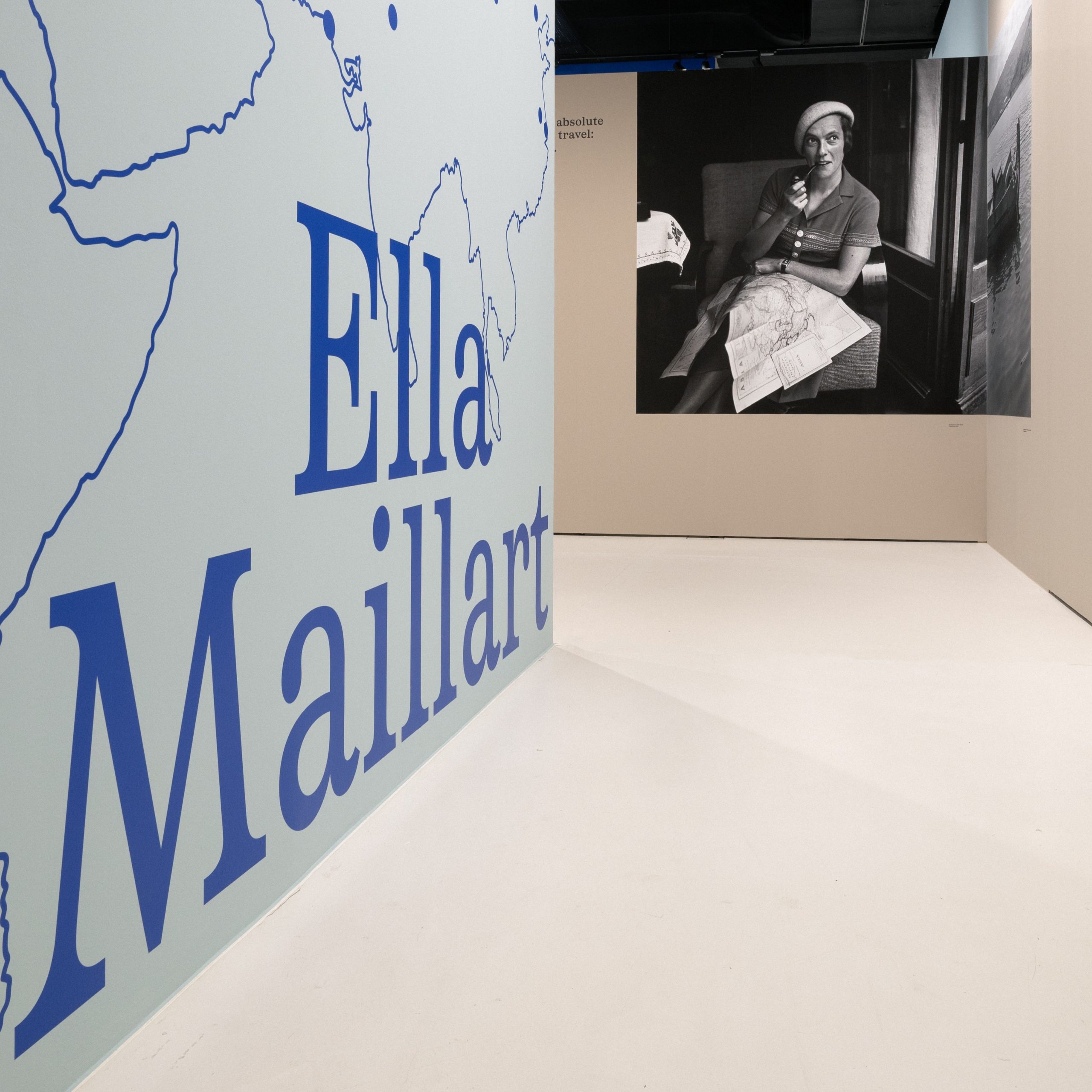
Ella Maillart

Photographic Encounters
06.03 – 01.11.2026

No online reservation required

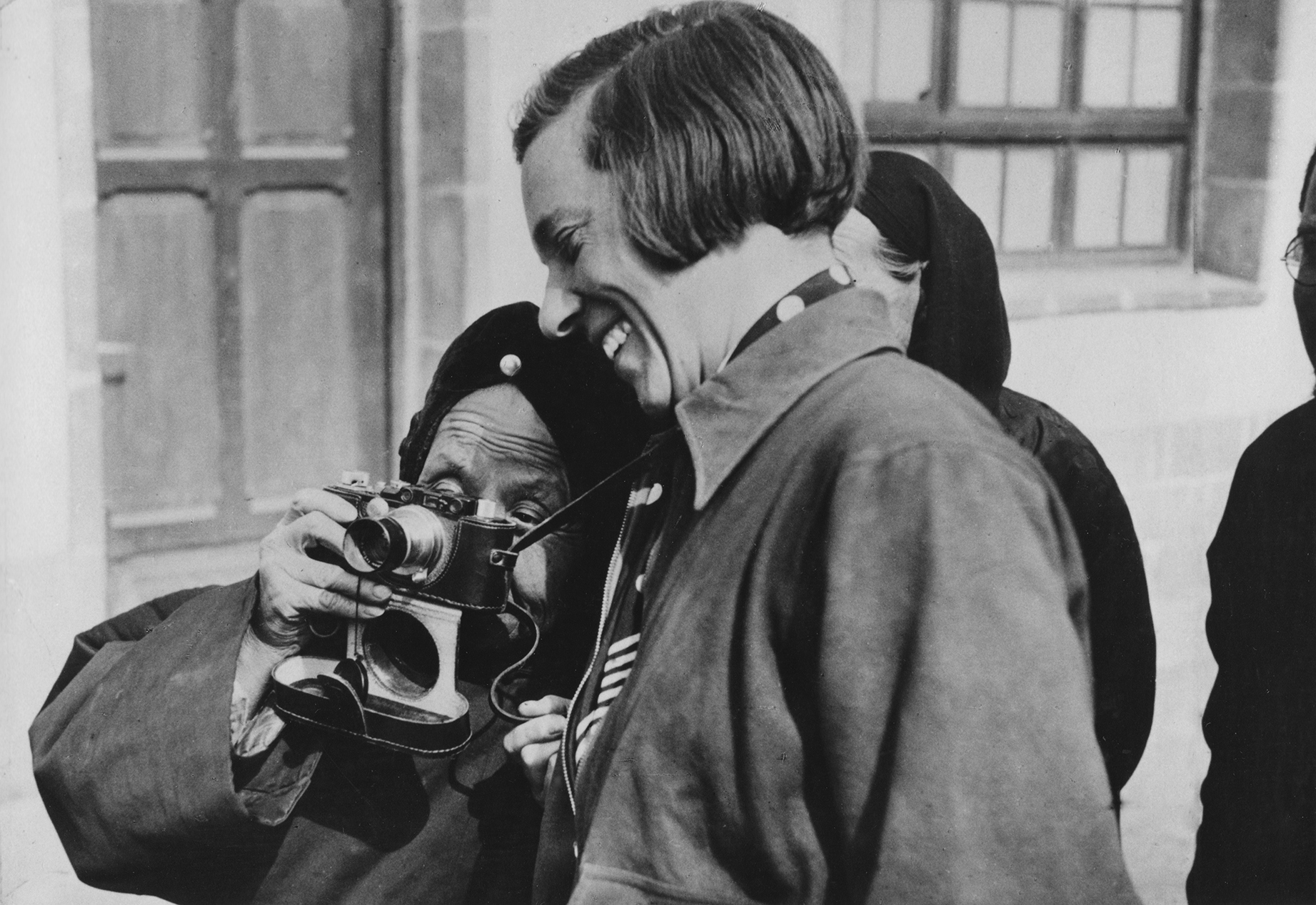
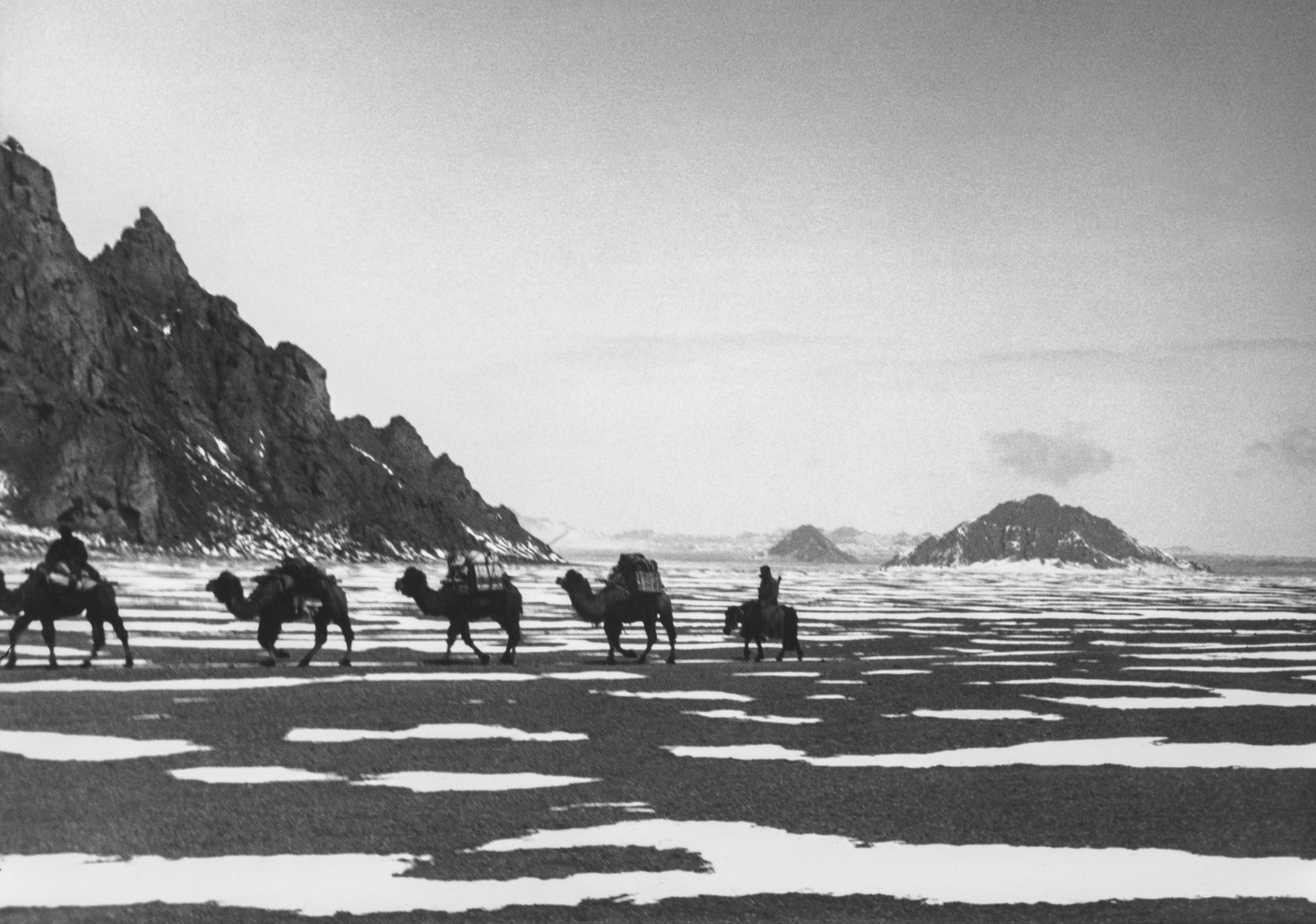
Adventurer, photographer and writer Ella Maillart (1903–1997) traversed Asia several times in the 20th century. In 2025, her entire body of work was added to UNESCO’s Memory of the World Register in recognition of its importance. Photo Elysée, which has held her photographic archives – consisting of thousands of images – since 1988, pays tribute to Maillart with this exhibition.

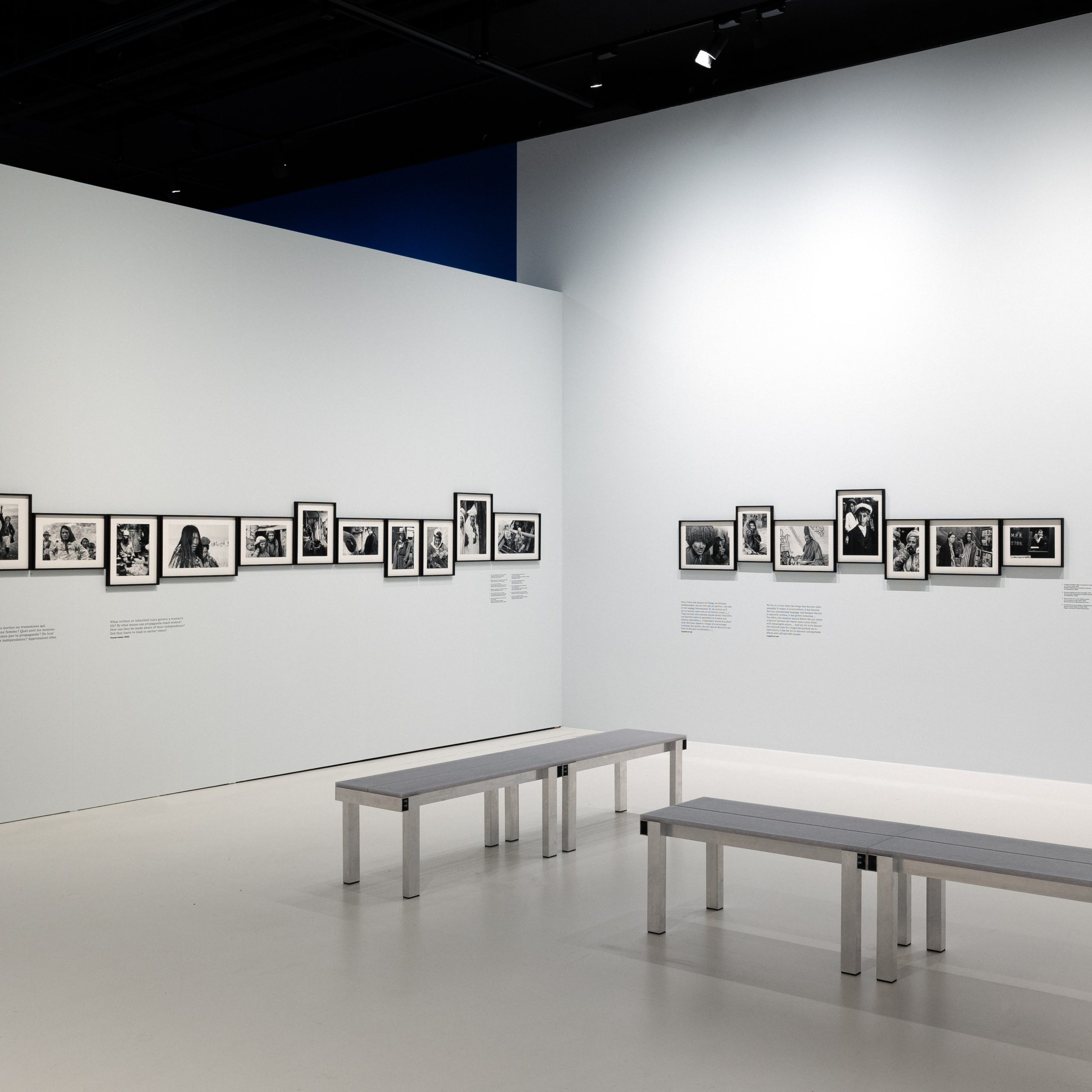
Focusing on Maillart’s four major journeys to Asia in the 1930s, the exhibition sets her images in dialogue with her writings and shows how her work serves as a record of a pivotal time in global history.

Exhibition

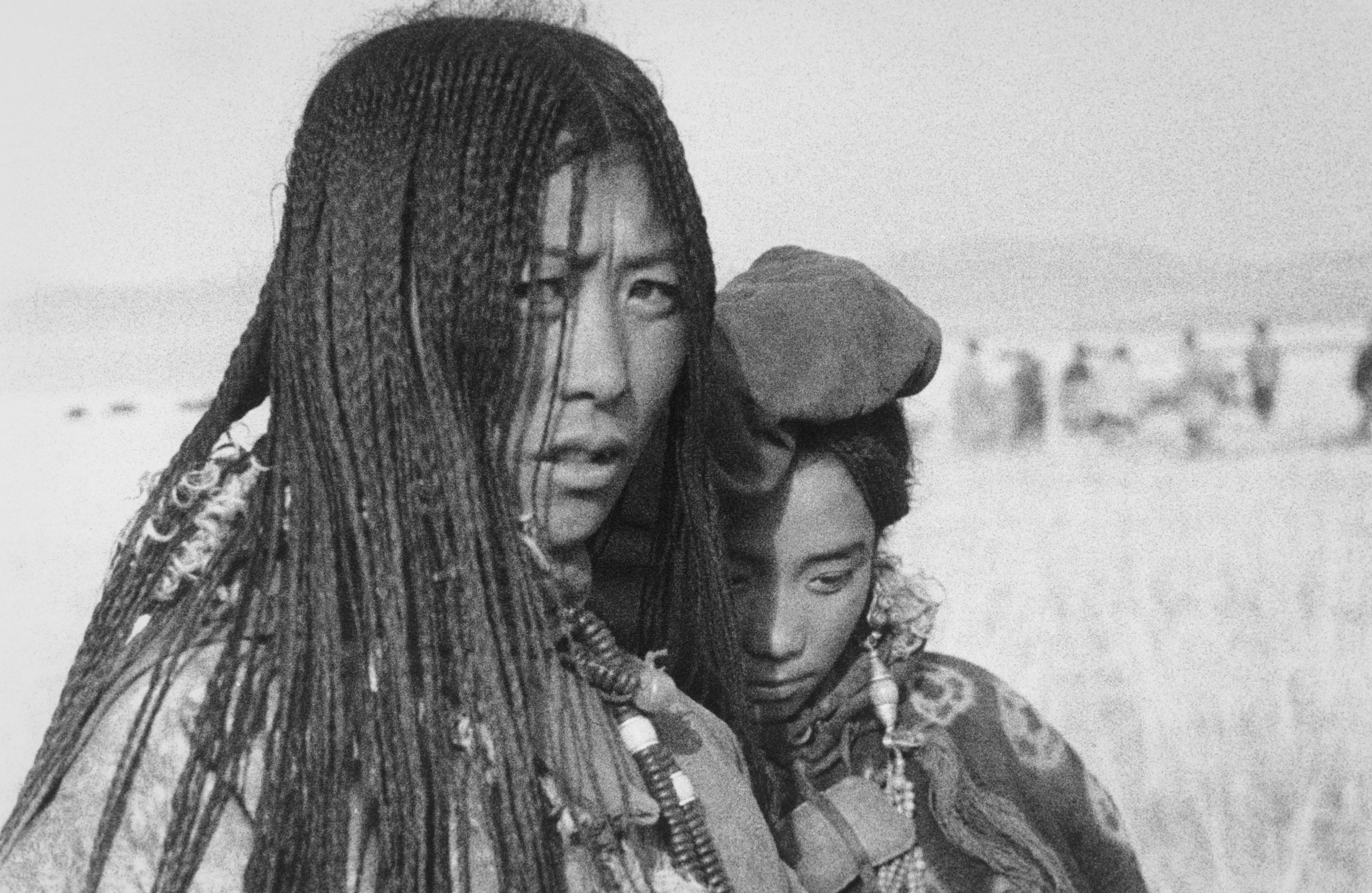
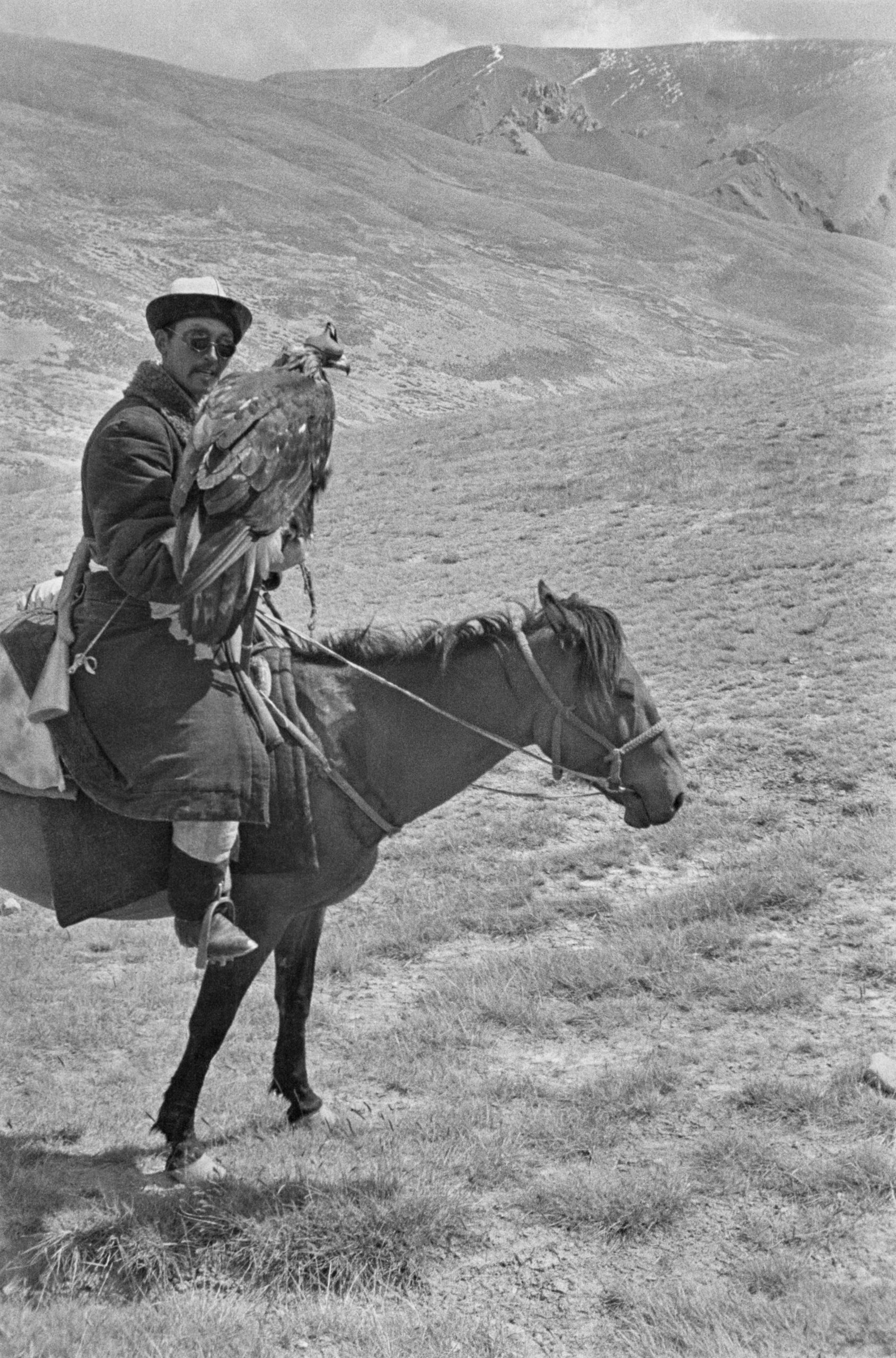
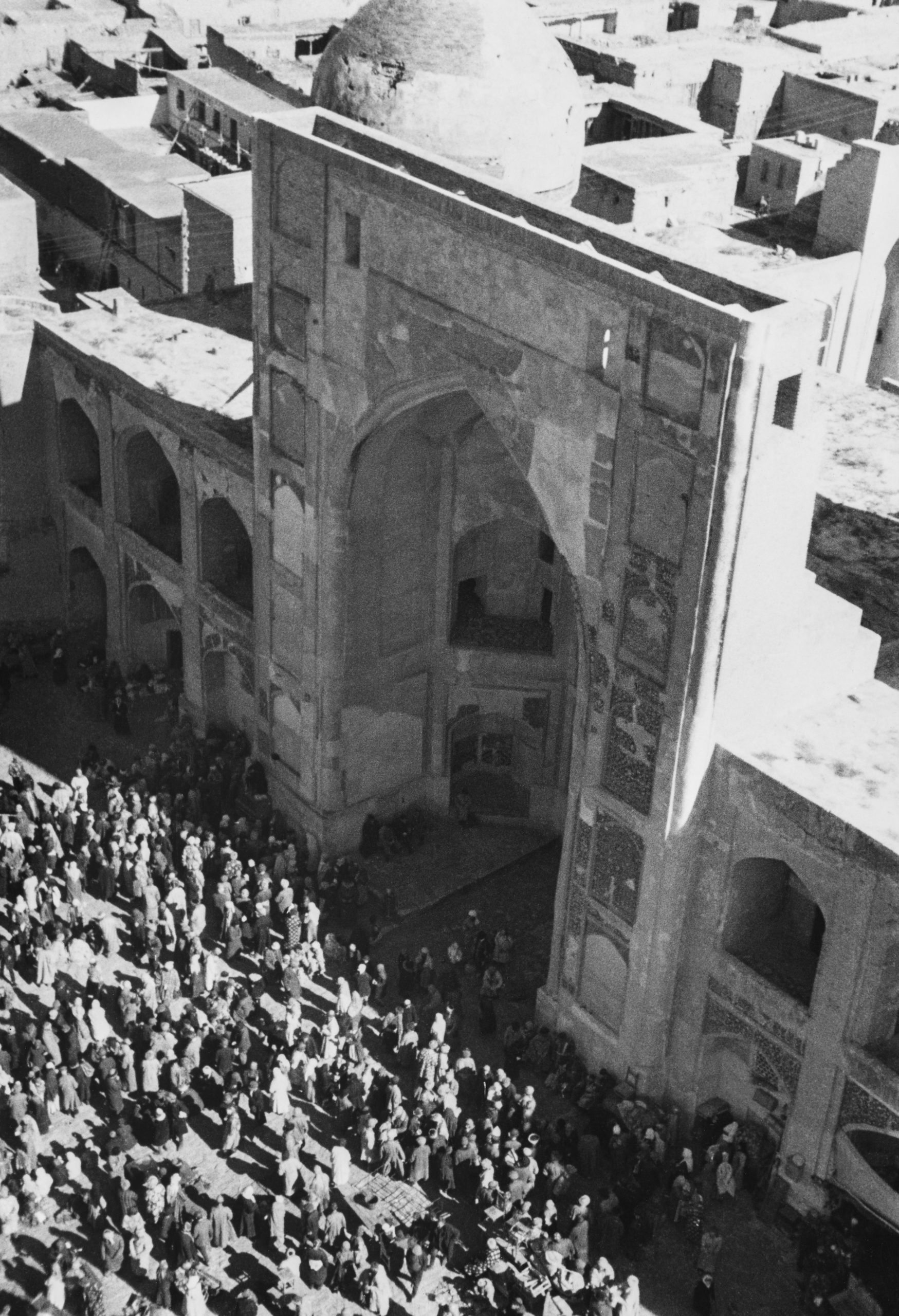
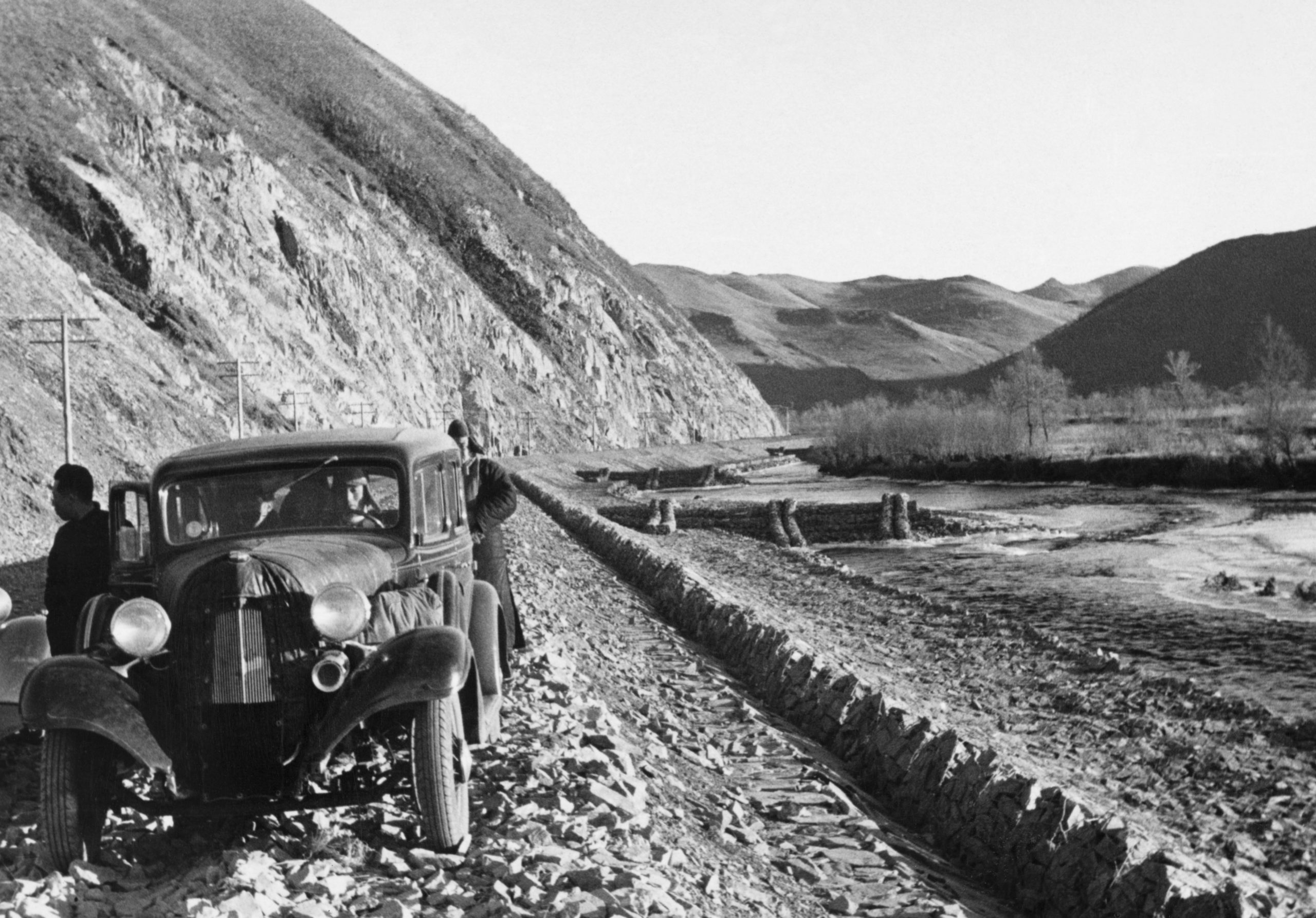
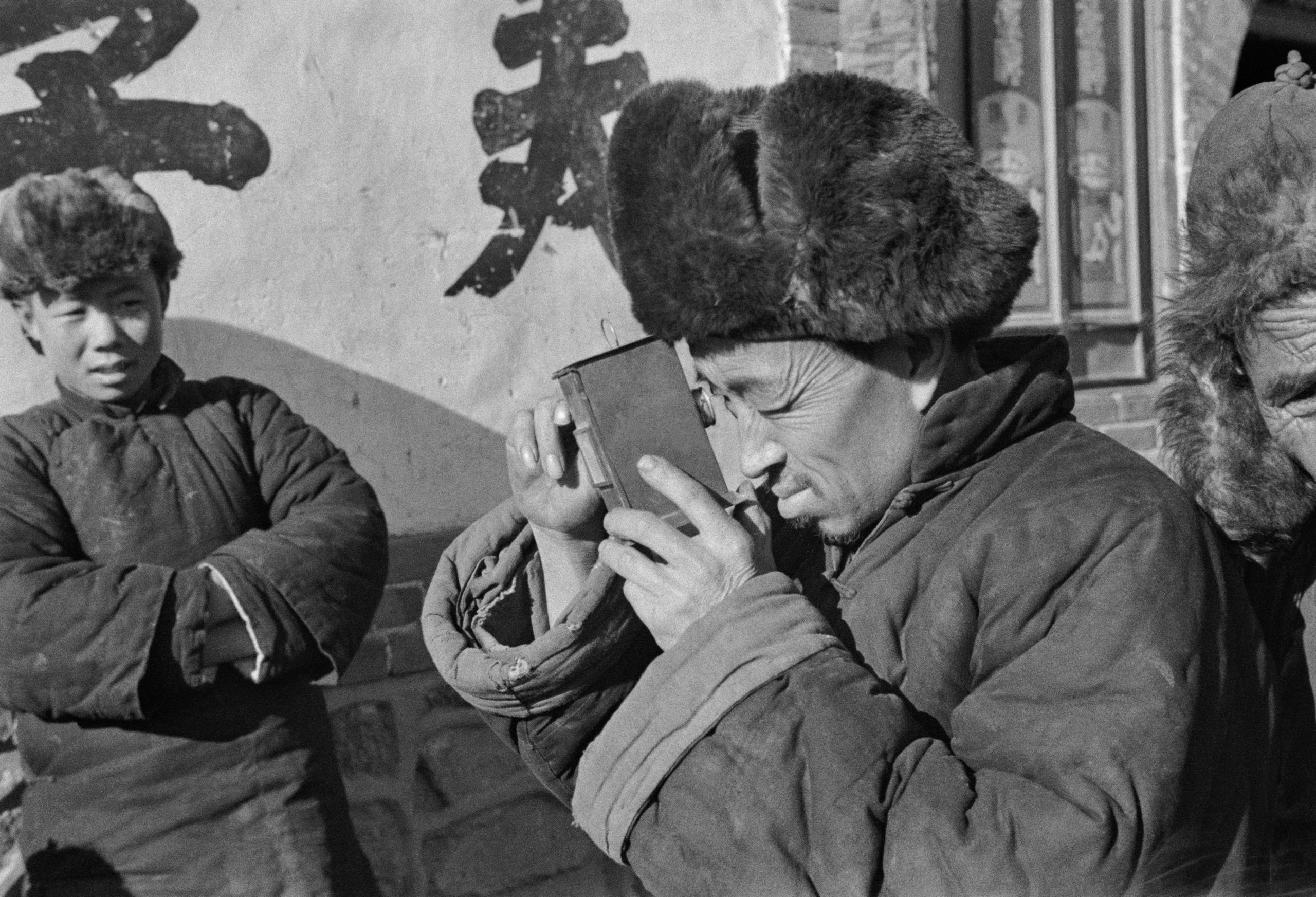
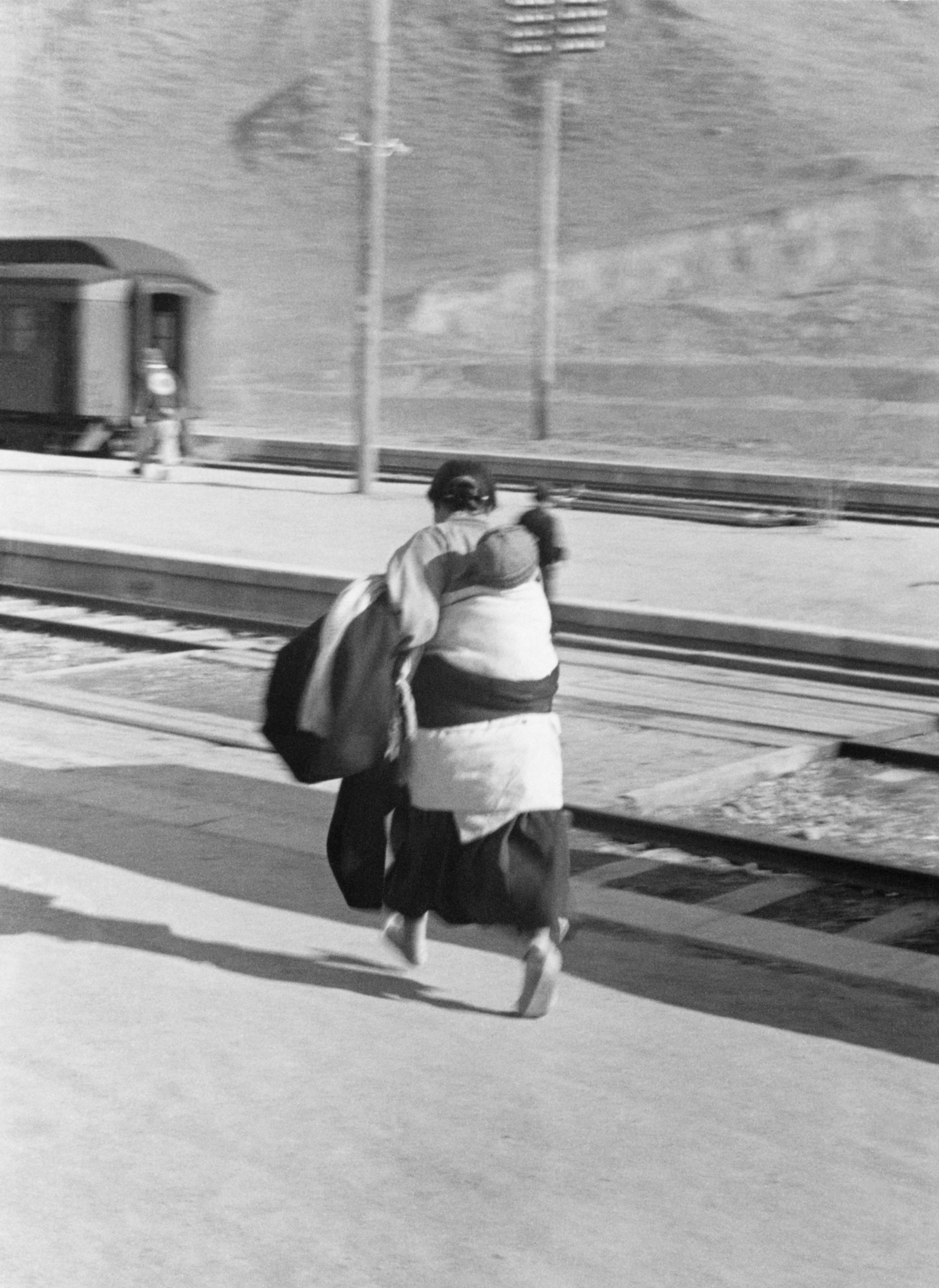
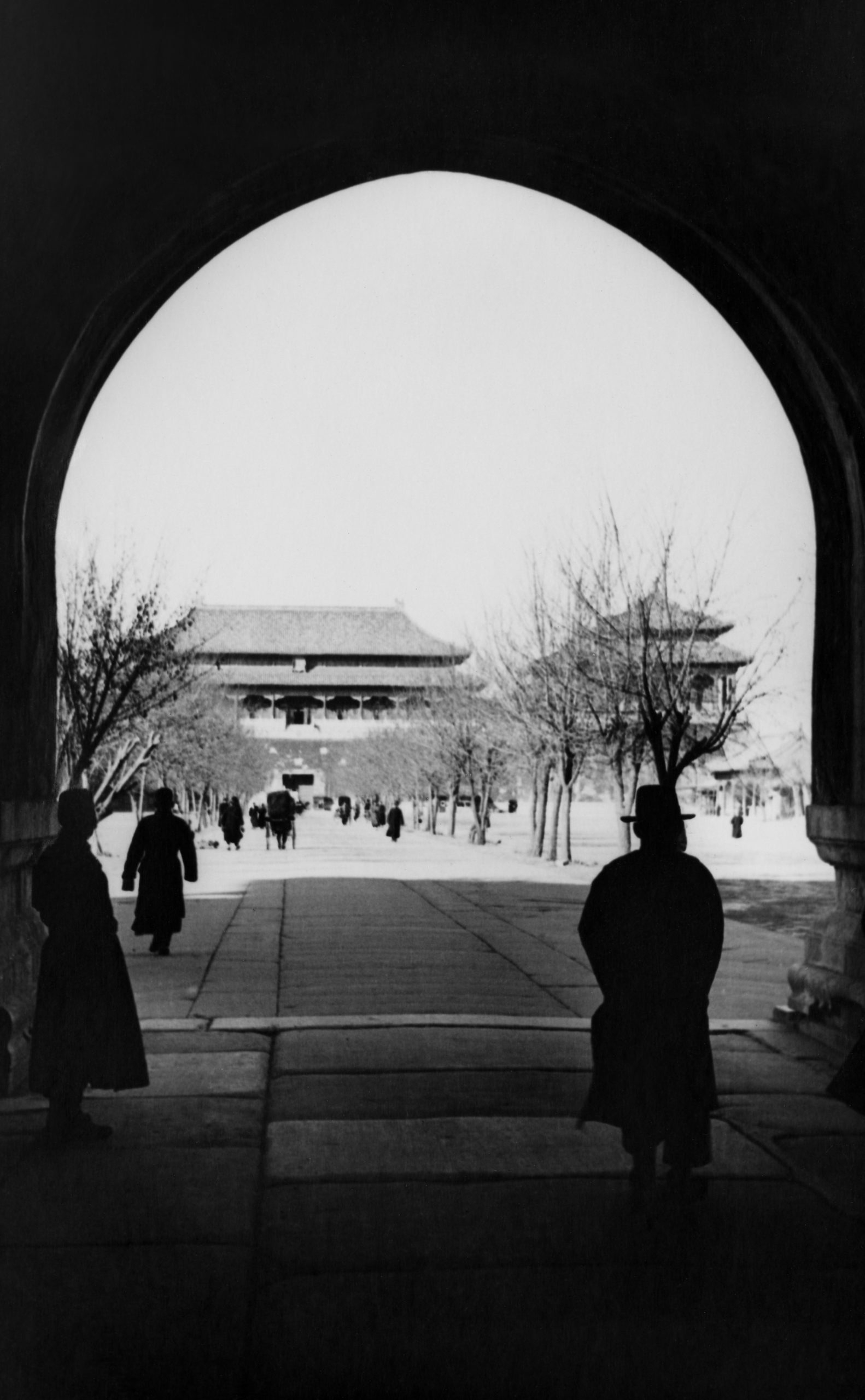
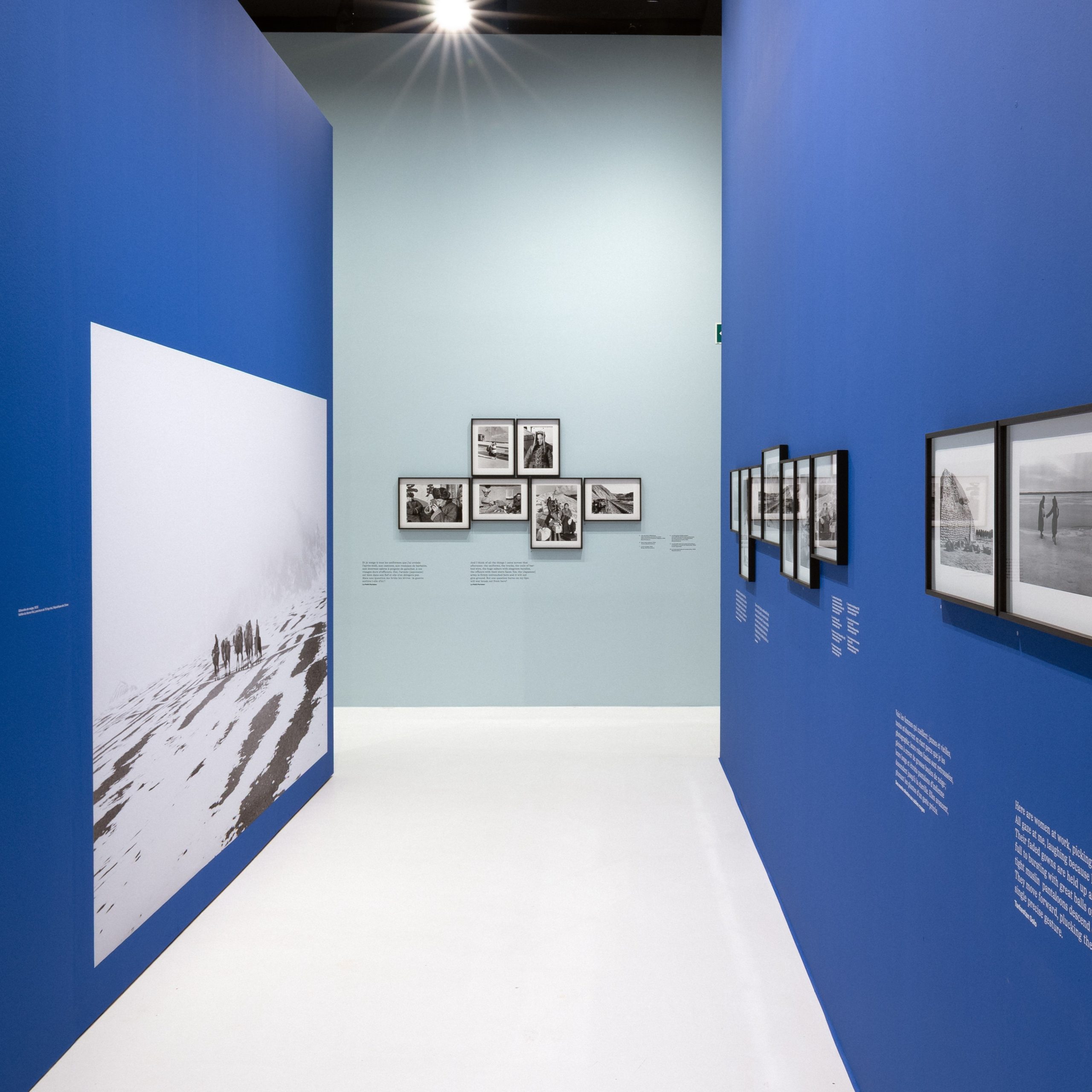
Maillart journeyed extensively through Central and East Asia between 1930 and 1939, driven by boundless curiosity and an interest in how other people lived. During her time in the USSR, China, Afghanistan and Iran, she witnessed the spread of Soviet rule in Central Asia, the emergence of post-imperial China and the birth of Manchukuo, the Japanese-controlled puppet state in Manchuria. She documented her travels in her writings and in the thousands of photographs she brought back to Switzerland, carefully annotating them upon her return.

The selected works provide insight into the historical events to which she bore witness and the encounters that shaped her perspective. The writings accompanying her photographs shed light on the political and social context of the period. Together, they form a unique record of a time when Asian and global history were changing course.

Ella Maillart

Ella Maillart was born on February 20, 1903, in Geneva. She discovered her love of reading – especially travel writing – early on. In 1913, when the family moved to Le Creux-de-Genthod on the shores of Lake Geneva, she began sailing with her friend and neighbor Hermine de Saussure, known as Miette. Winter brought other pursuits: skiing and hockey. Maillart competed in sailing at the 1924 Olympic Games in Paris and went on to represent Switzerland in several world skiing championships between 1931 and 1934.

Maillart eventually gave up sailing, but only after crossing the Mediterranean several times. In 1930, having tried her hand at various jobs without ever finding something she enjoyed, she set off on her first journey. She went to the Soviet Union to see firsthand how other people lived, staying in Moscow for nearly six months and spending time in the Caucasus.

In 1932, she traveled through Soviet Turkestan and glimpsed China for the first time from the mountains she was climbing. In 1934, she was dispatched to Manchuria, in northeastern China, as a reporter for French daily newspaper Le Petit Parisien. It was there that she visited Manchukuo, a puppet state established and controlled by Japan.

In 1935, she met up with British writer and military officer Peter Fleming in Peking. The two decided to set off together for Xinjiang, a region in northwestern China that had long been closed to foreigners and was then in the grip of a years-long civil war. Their trip – lasting seven months and covering over 6,000 kilometers – took them all the way from Peking to India.

In 1939, Maillart set off on a new adventure with Swiss writer Annemarie Schwarzenbach, driving a Ford from Geneva to Kabul. When news of the Second World War broke, Schwarzenbach headed back to Europe while Maillart settled in India, where she remained until 1945.

After returning to Switzerland, Maillart split her time between Geneva and Chandolin, a village looking over the Val d’Anniviers valley high in the Swiss Alps. Between 1957 and 1987, she led a series of organized excursions through Asia. She also gave numerous talks about her travels, using her own photographs as part of her presentations.

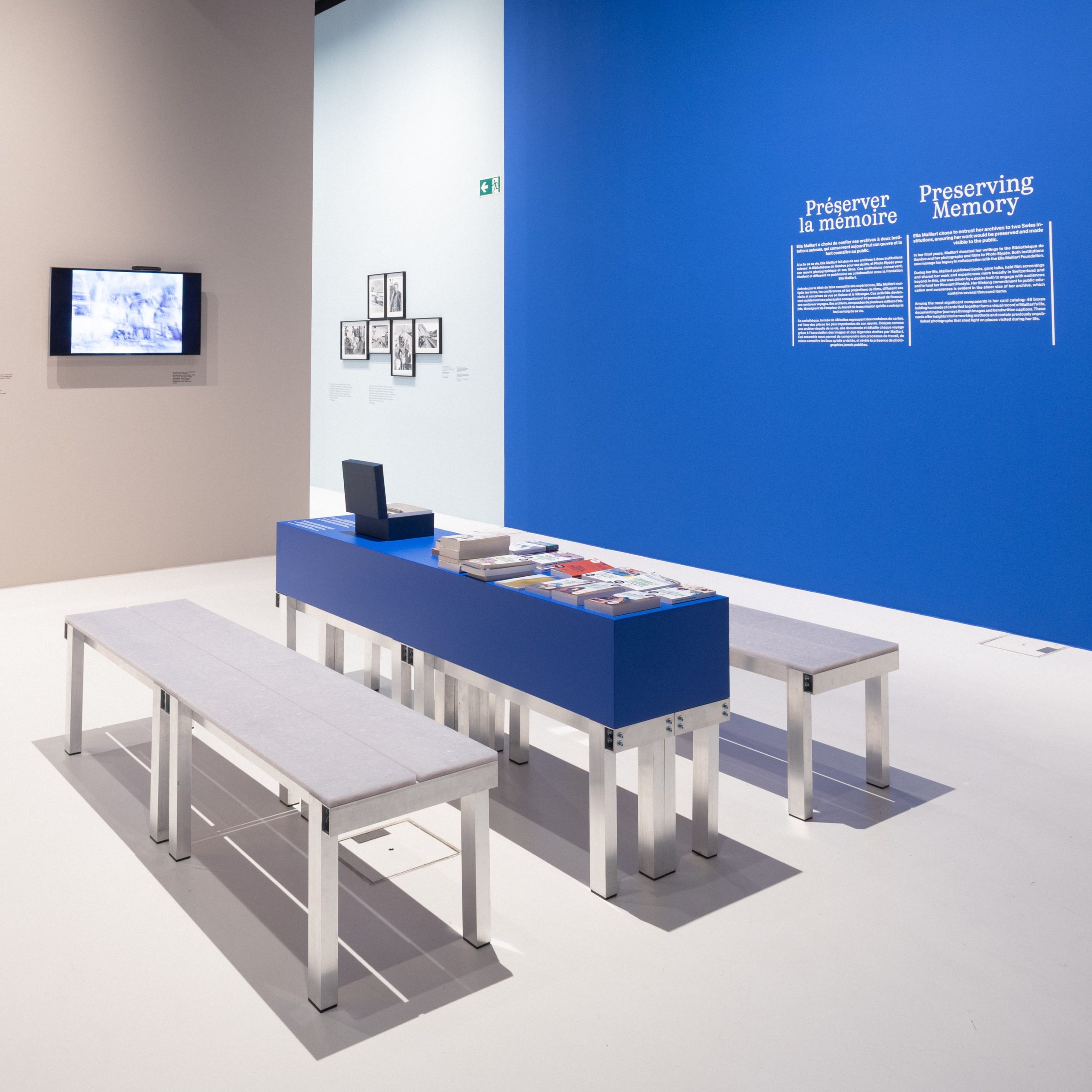
In 1988, Maillart donated her photographs to Photo Elysée and her writings to the Bibliothèque de Genève. The two institutions now manage her legacy and highlight her work, in collaboration with the Ella Maillart Foundation. Photo Elysée has devoted several exhibitions to Maillart, including in 1990, 1997 and 2003.

Maillart died in Chandolin on March 27, 1997, at the age of 94.

UNESCO

Photo Elysée announces the inclusion of the Ella Maillart and Annemarie Schwarzenbach archives in UNESCO’s Memory of the World Register. This international recognition highlights the exceptional historical and cultural value of these collections, preserved in part by Photo Elysée, and affirms Ella Maillart’s significant role in the history of photography and journalism.

Credits

Ella Maillart. Photographic Encounters

Curators
Fanny Brülhart and Elisa Rodríguez Castresana
With the collaboration of Lisa Benaroyo

Exhibition design and graphics
Balmer Hählen

Proofreading
Audrey Zimmerli

Translations
Scala Wells Sàrl
Flavia Ambrosetti
Julia A. Noack

Digitization
Anthony Rochat, with the collaboration of Sofia Napoli

Acknowledgements
Photo Elysée would like to express its sincere thanks to Anneliese Hollmann, the Ella Maillart Foundation and its President Jean-Claude Zufferey, the Bibliothèque de Genève, the Cinémathèque suisse, the United Nations Educational, Scientific and Cultural Organization (UNESCO), as well as the lender of the exhibition.

Partners

The exhibition receives the generous support of the Federal Office of Culture, Piguet Galland, the Fondation Coromandel, as well as the Fondation Bru.