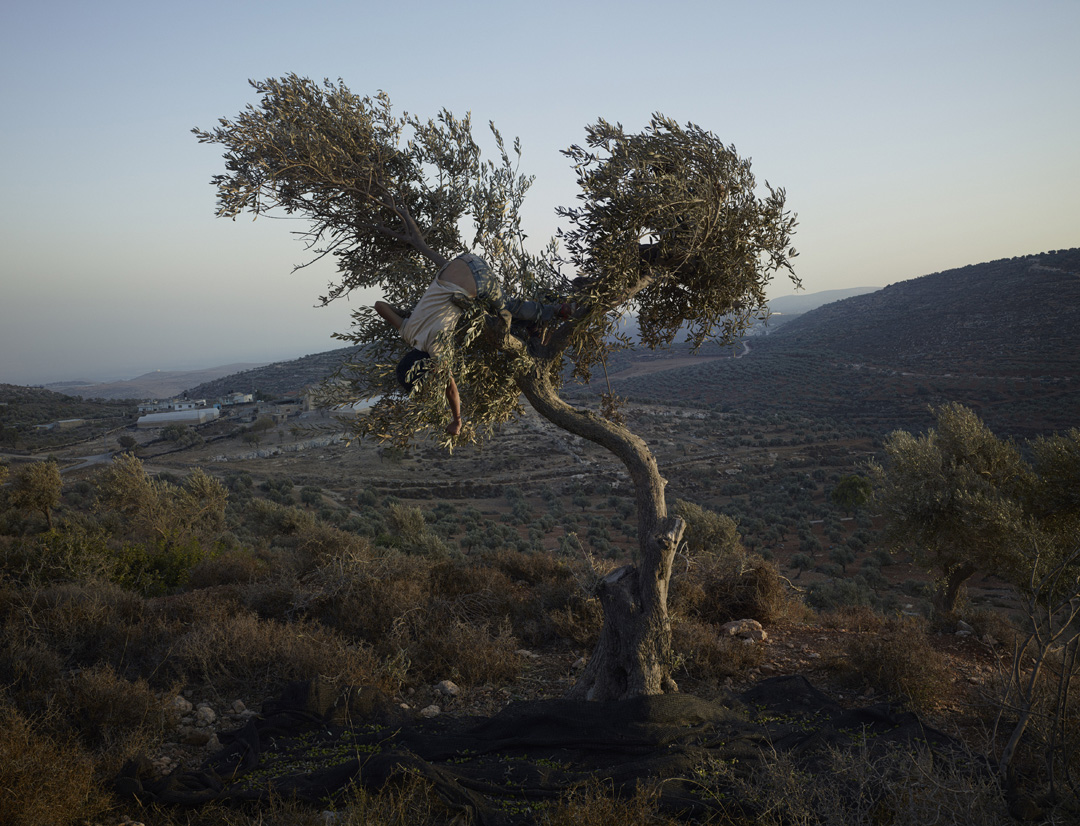
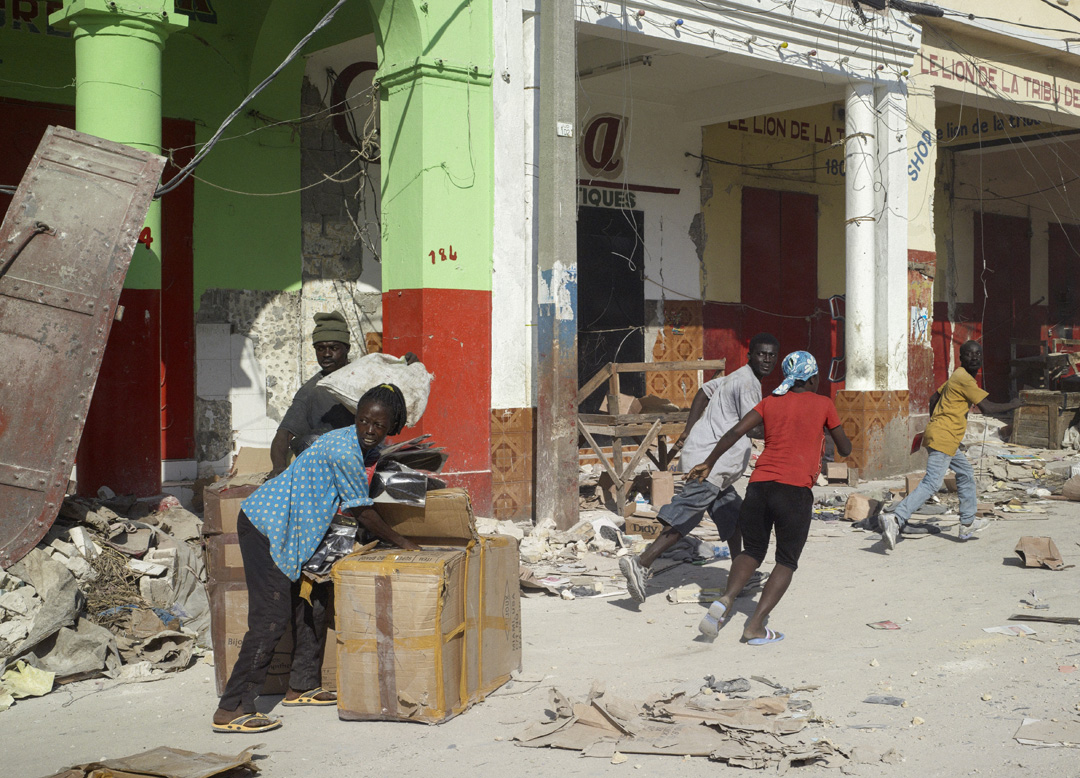
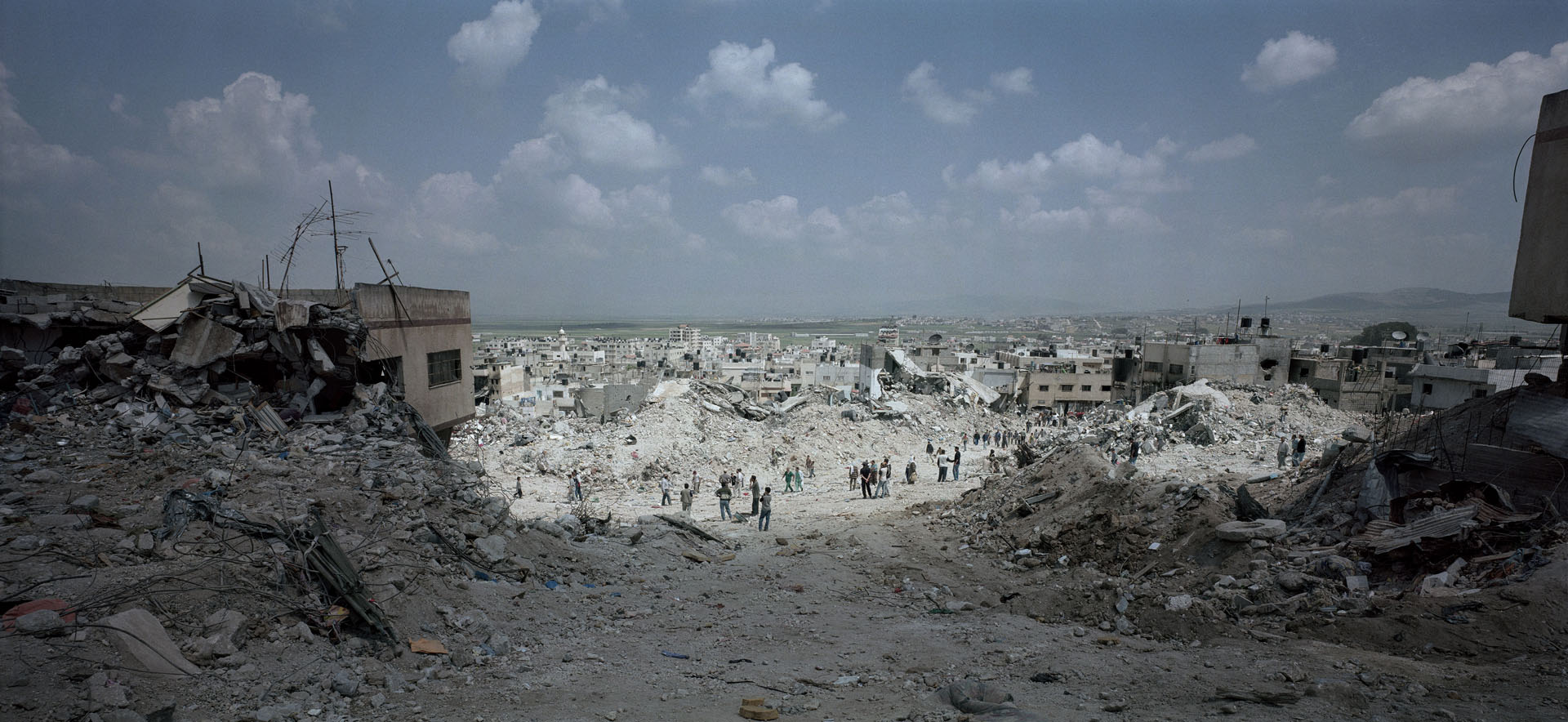
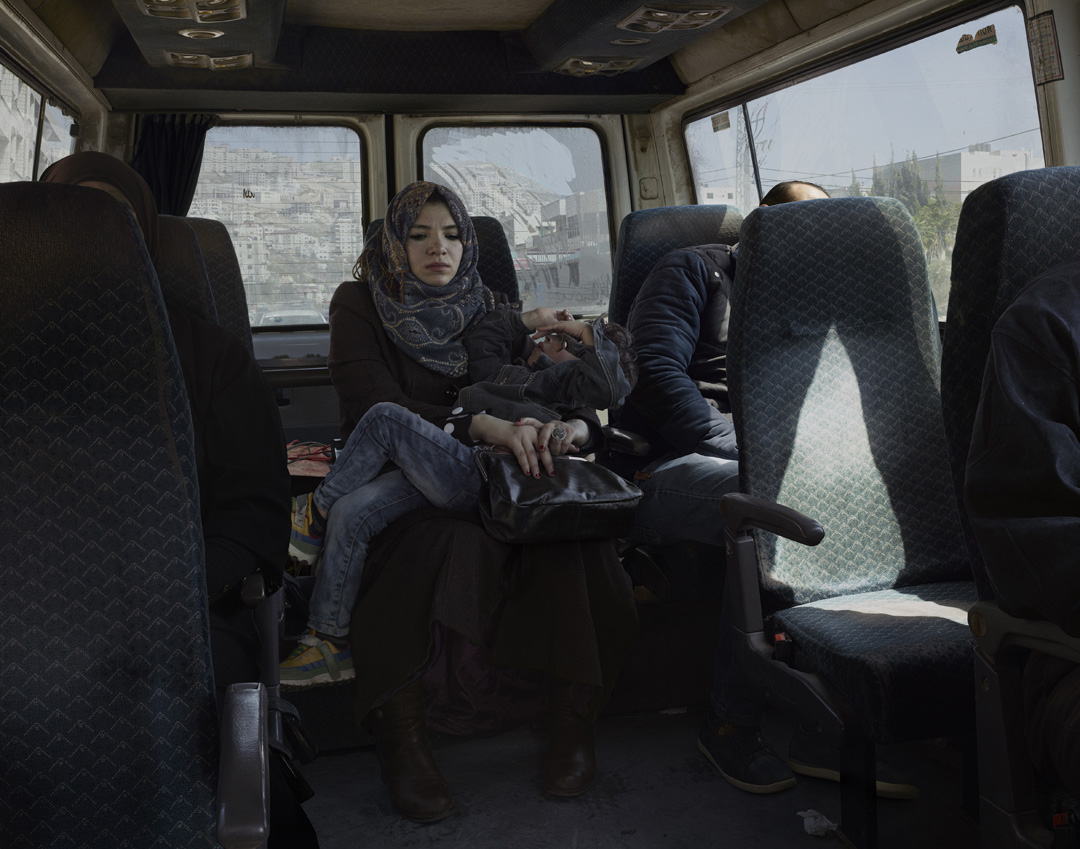
Born in Tours, France, in 1962, Luc Delahaye settled in Paris in 1984 after several years spent moving from place to place and job to job. There, he produced his first reportages, traveled to the UK to document the miners’ strikes, and joined Moba Presse, a small agency for which he covered daily political and social news, as well as show business and human-interest stories.
He was hired by Sipa Press in 1985 after taking a series of paparazzi shots for that agency. He was subsequently dispatched to Beirut, where he had his first direct encounter with war. Numerous assignments covering armed conflict and international current affairs followed, taking Delahaye to places such as Afghanistan, Bosnia, Rwanda, Chechnya, Iraq, Gaza and the West Bank, Haiti, Congo, Sudan and Somalia. In 1994, he joined Magnum Photos and signed with Newsweek. He was elected a full member of Magnum in 1998, remaining with the agency until 2004.
Delahaye’s accolades include the Robert Capa Gold Medal (1993 and 2002), first prize at the World Press Photo awards (1992, 1993 and 2002), the Paris Match Award (1992 and 1994), the Visa d’Or (1993) and the Bayeux Calvados-Normandy Award for war correspondents (2002). Alongside his work as a photojournalist, he also completed several documentary projects, including some in book format, for which he won the Oskar Barnack Award (2000), the ICP Infinity Award (2001) and the Niépce Prize (2002).
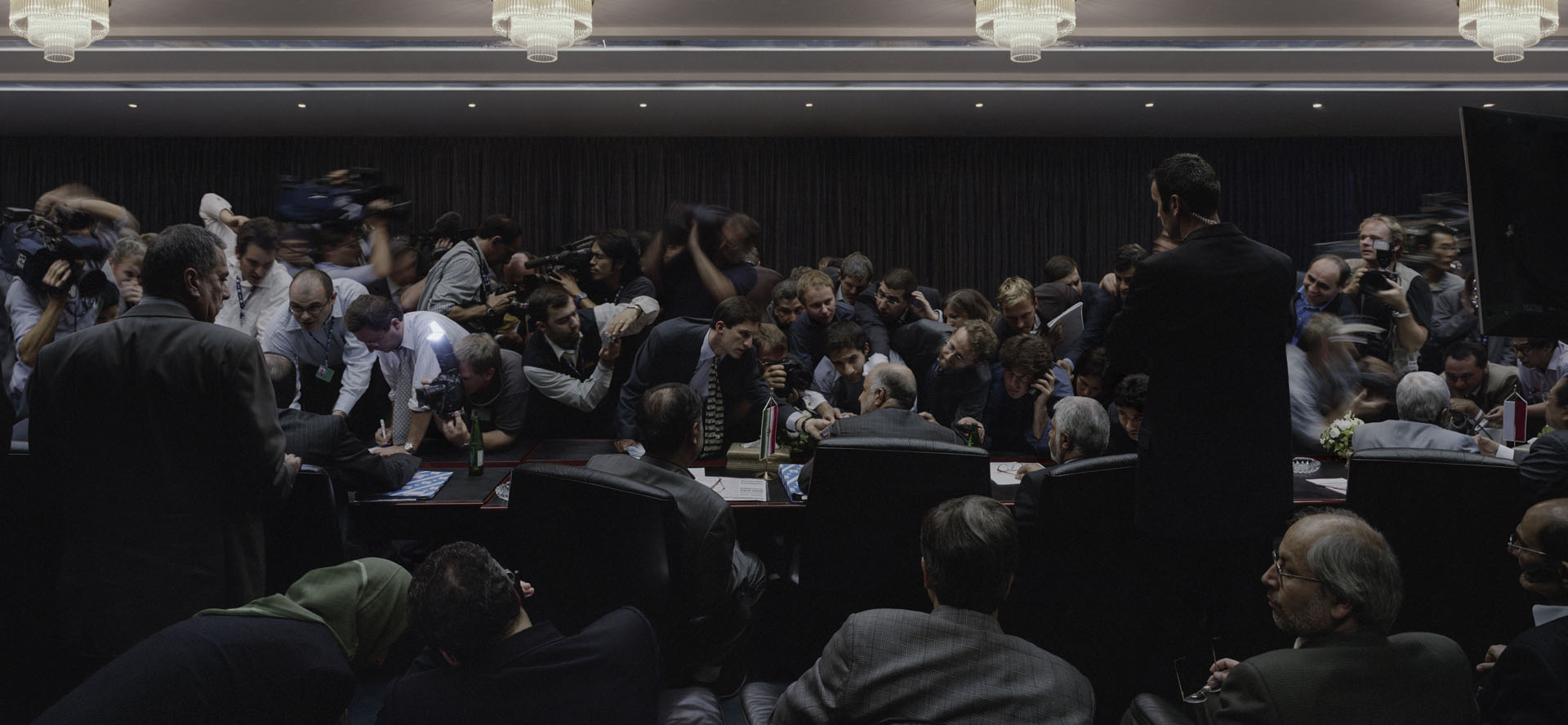
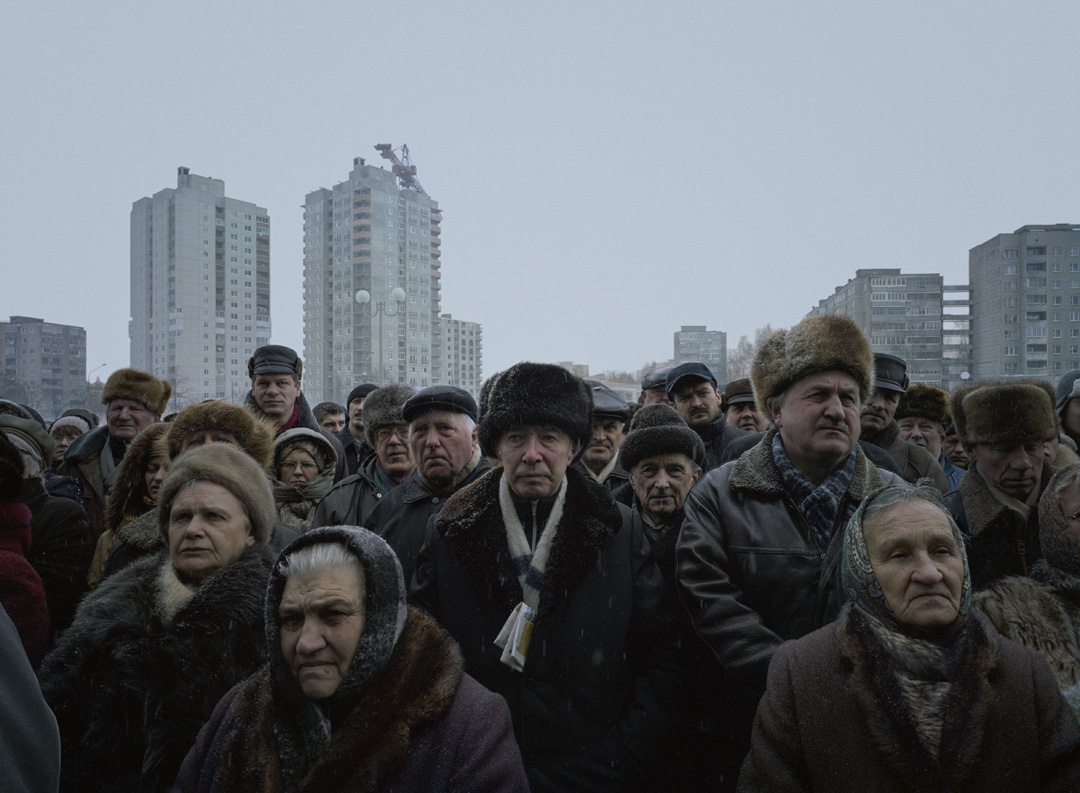
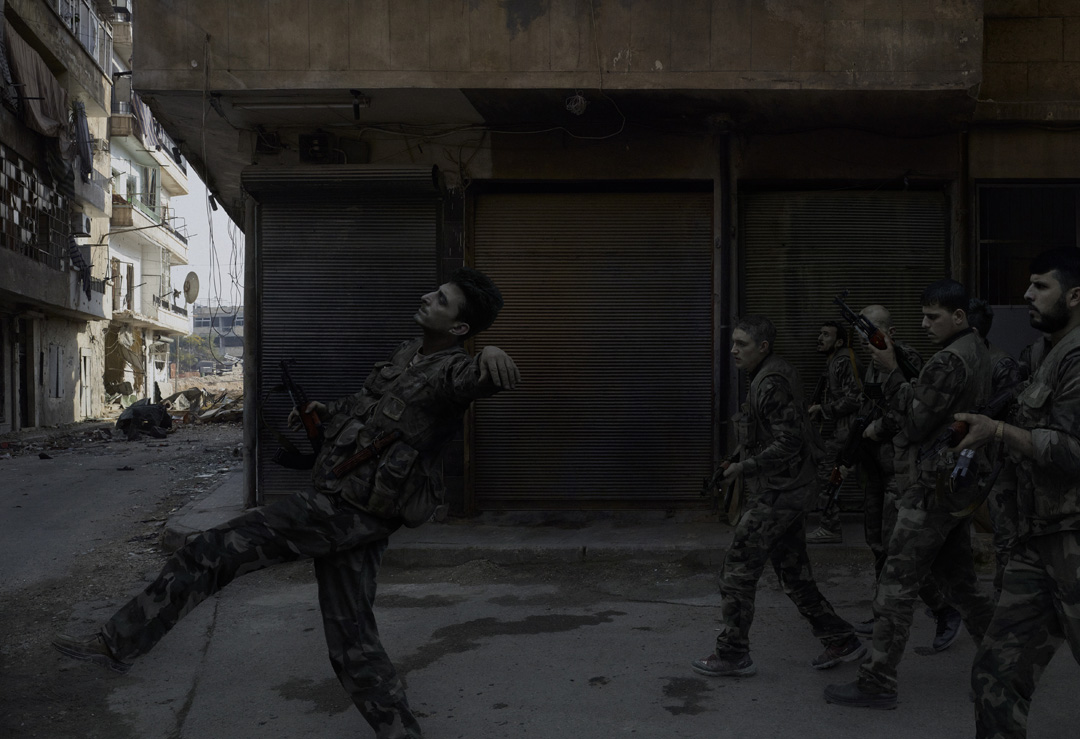
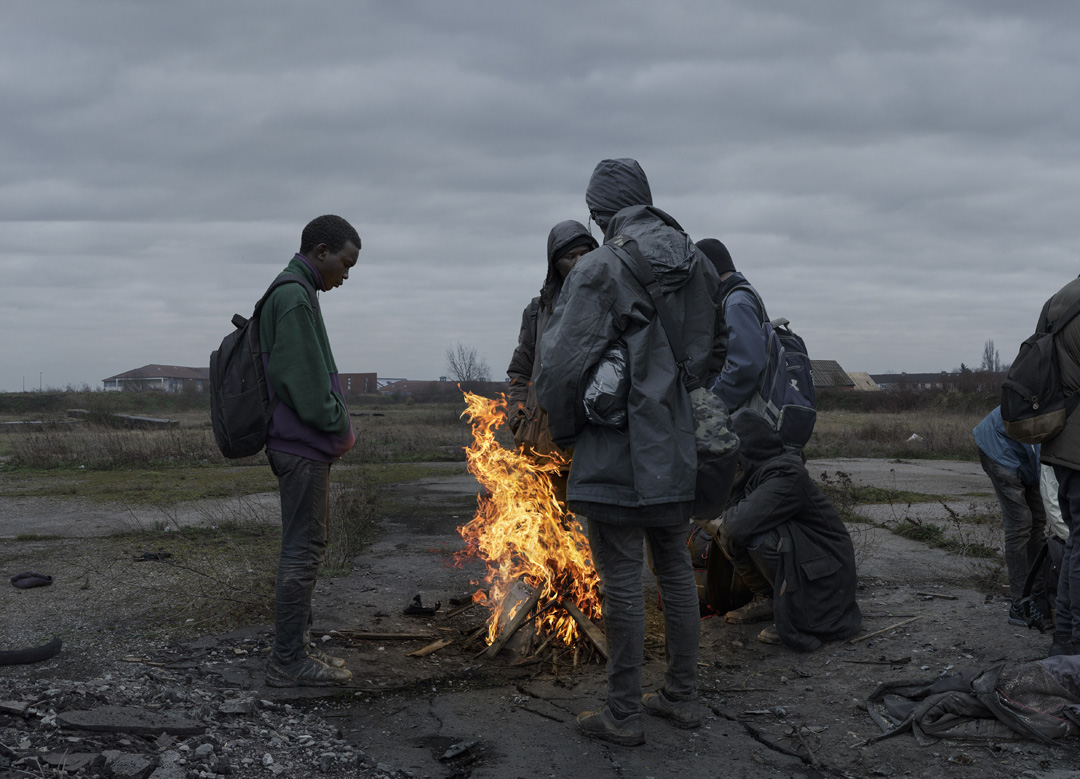
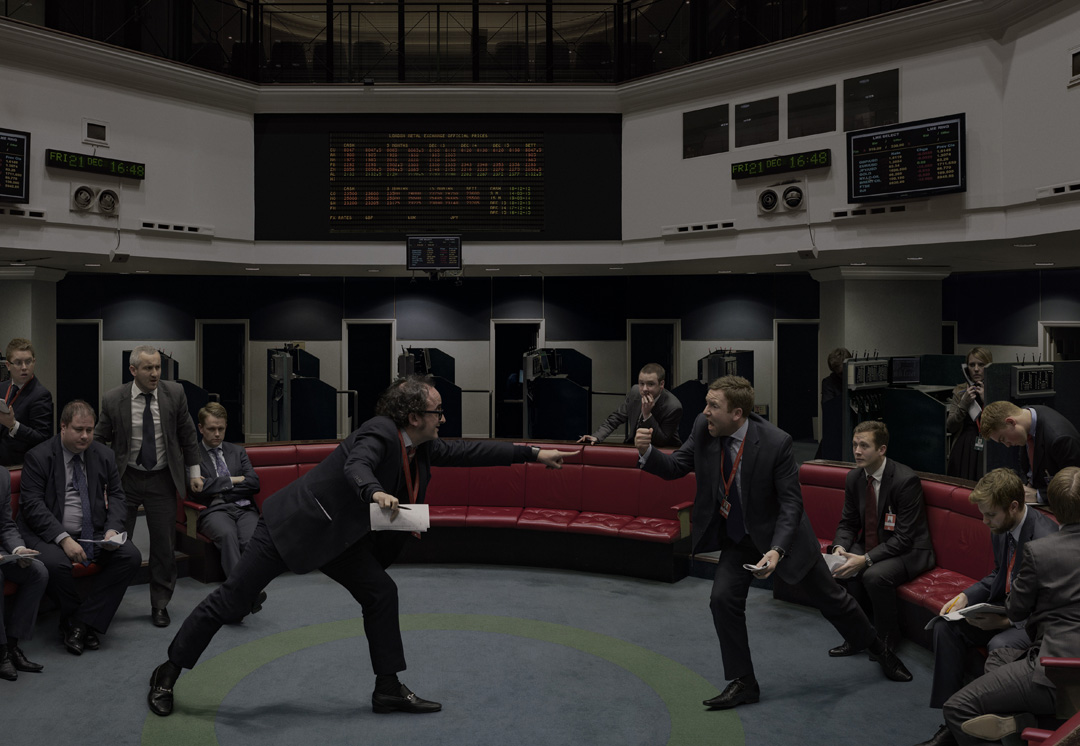
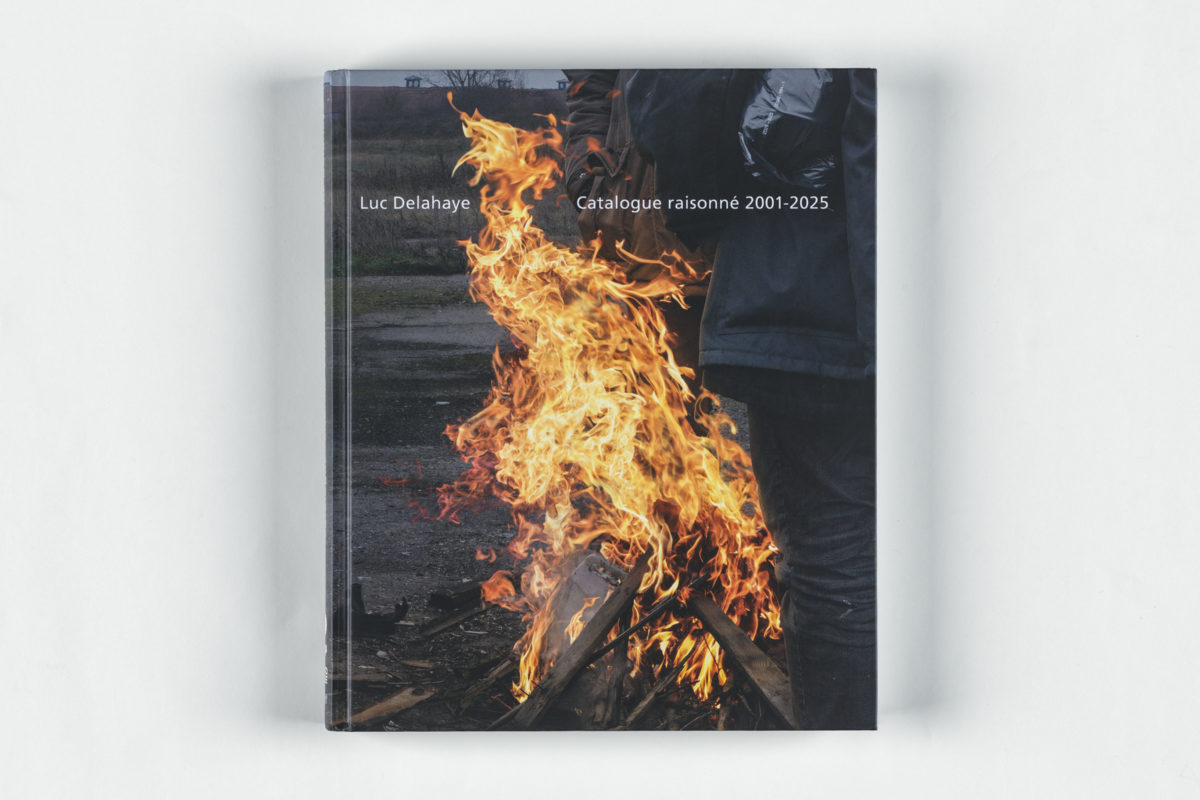
In 2001, Delahaye brought his press work to an end and turned to producing photographic compositions. His first works in this new format were shown at New York’s Ricco/Maresca Gallery in 2003, the same year in which he released History (published by Chris Boot). Later exhibitions were held at La Maison Rouge (Paris, 2005) and the J. Paul Getty Museum (Los Angeles, 2007). Delahaye was awarded the Deutsche Börse Photography Prize in 2005 and the Prix Pictet in 2012.